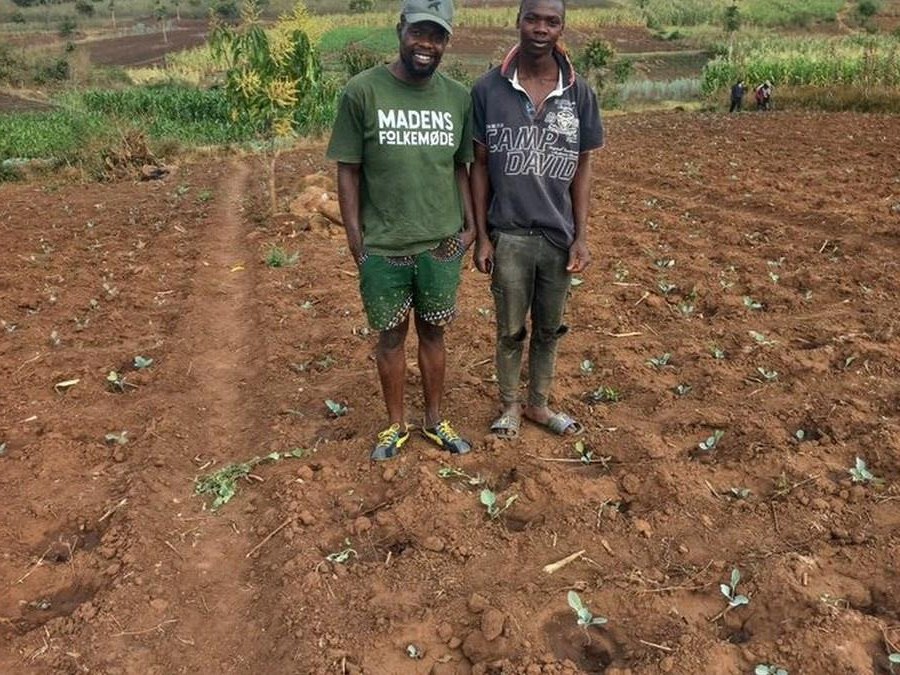
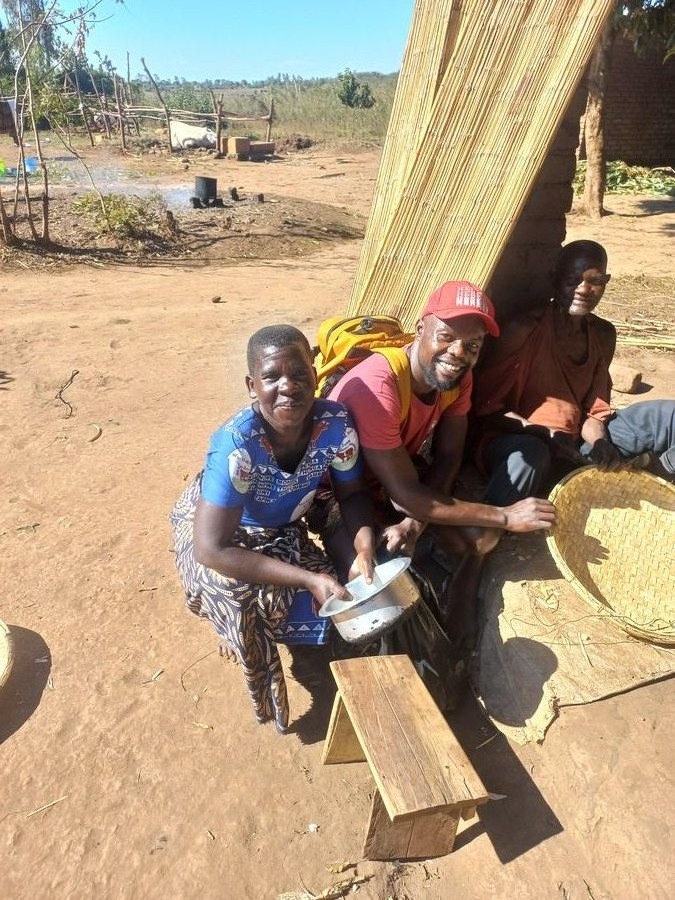
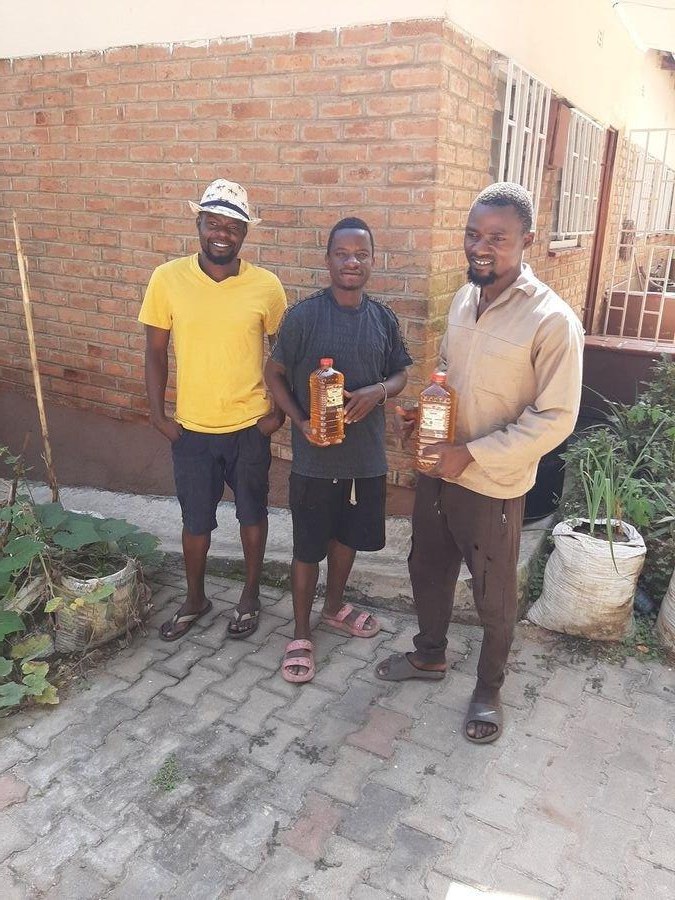
Fifty acres of red Malawian soil. Sunflowers pressed into oil, hives tended at midnight, catfish raised from egg to harvest. This is where the poetry comes from.
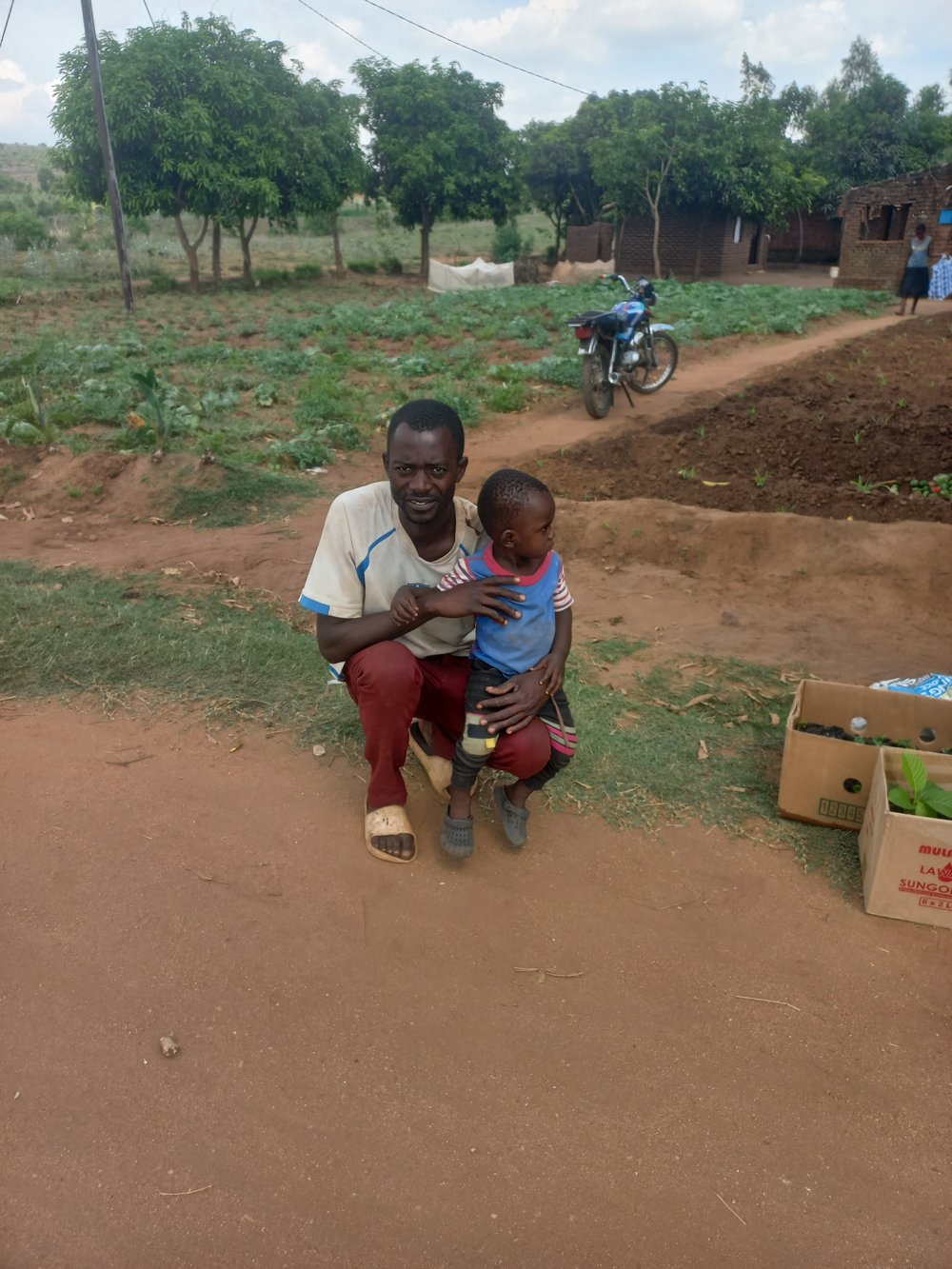
Ben Panulo Junior founded Maziko Athu — “our foundation” — in 2002 on a single plot in Blantyre. Two decades later, it spans four districts of Malawi’s Southern Region.
More than half of every book sale goes back into the farm — into training smallholder farmers in permaculture, value-addition, and sustainable production. The farm is not the product. The farm is the model.
One system. Fifty acres. Twelve product lines. One unbroken idea.
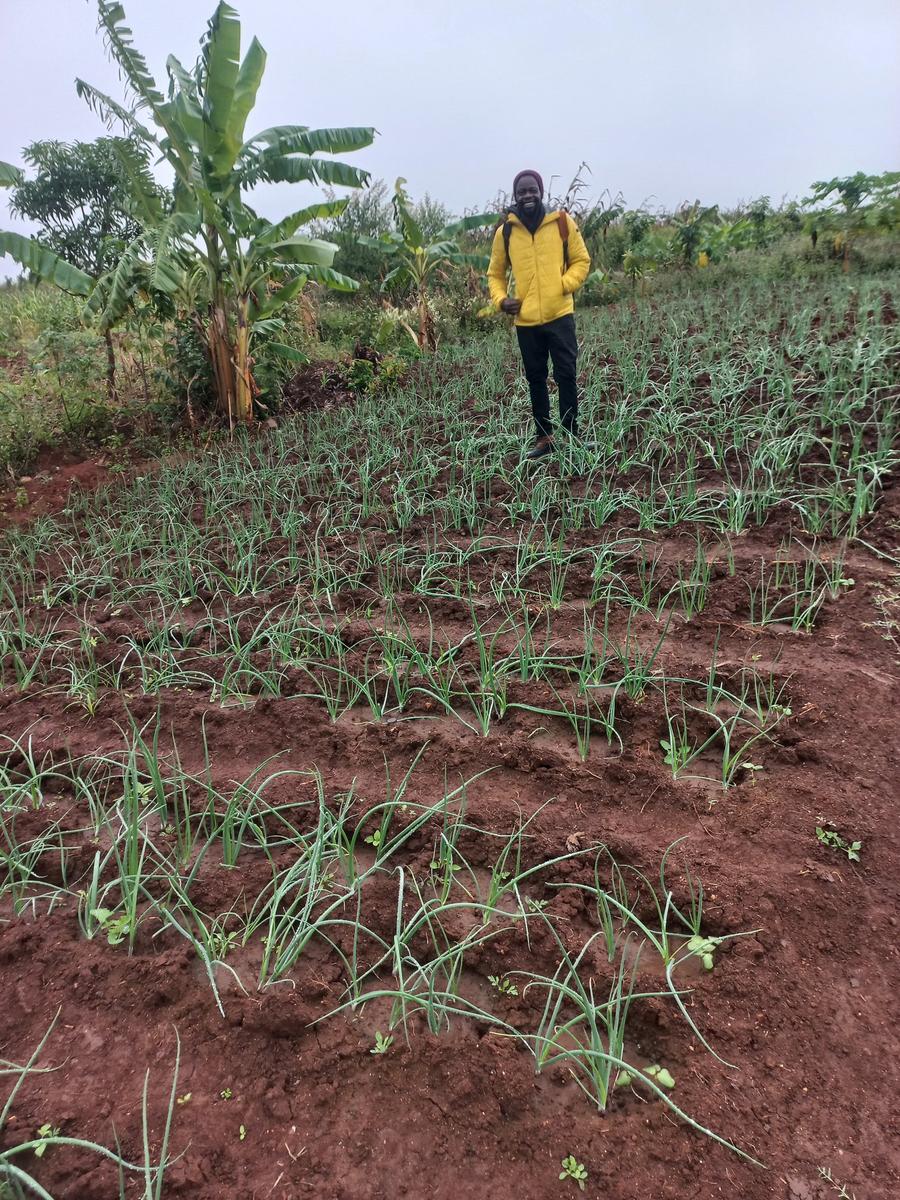
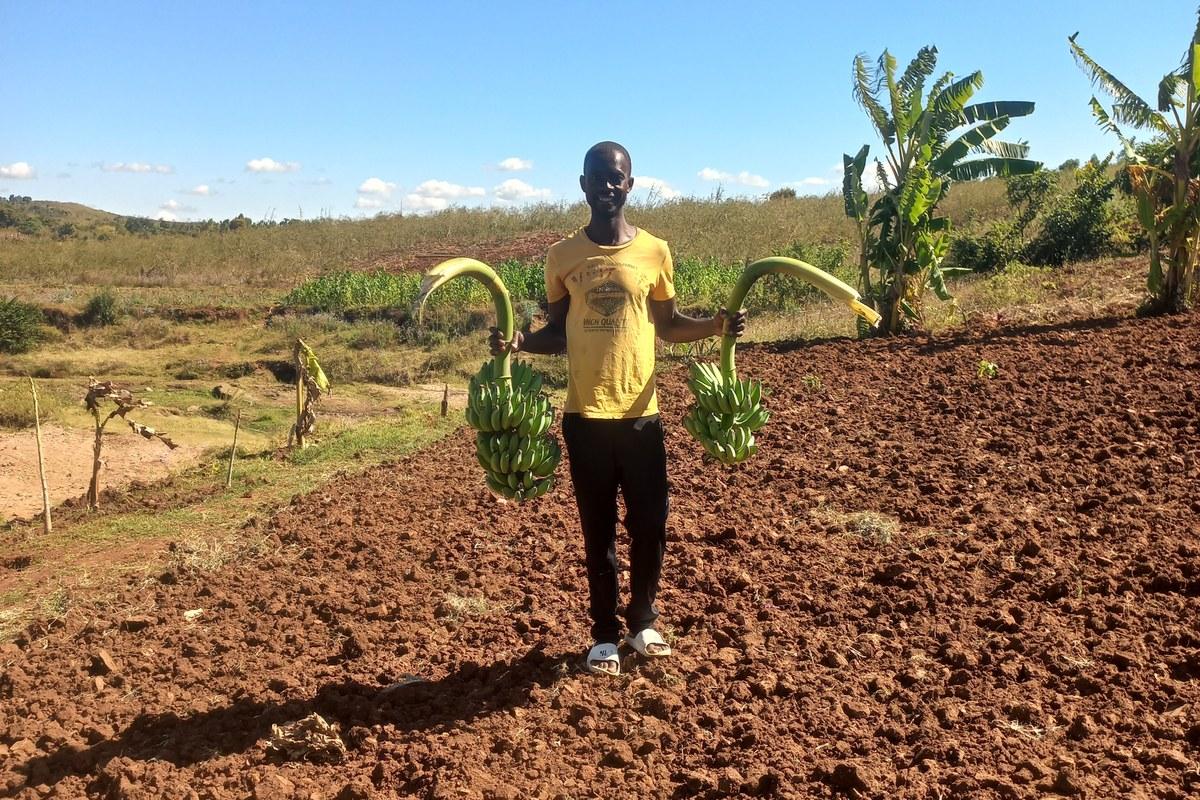
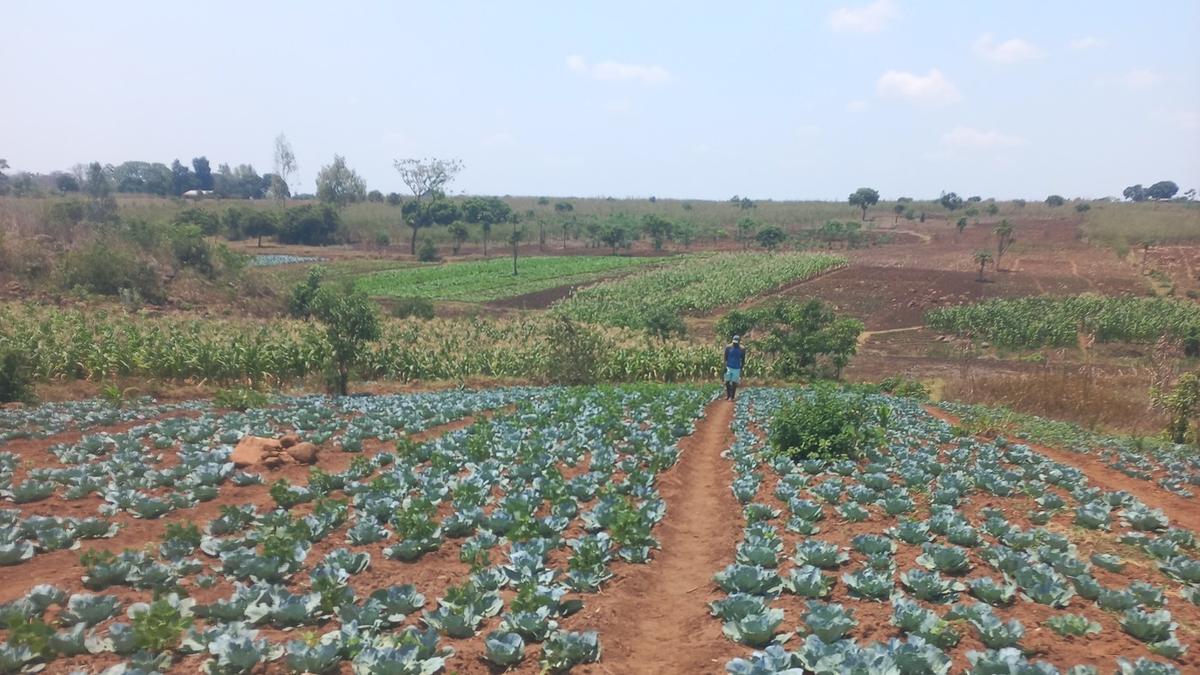
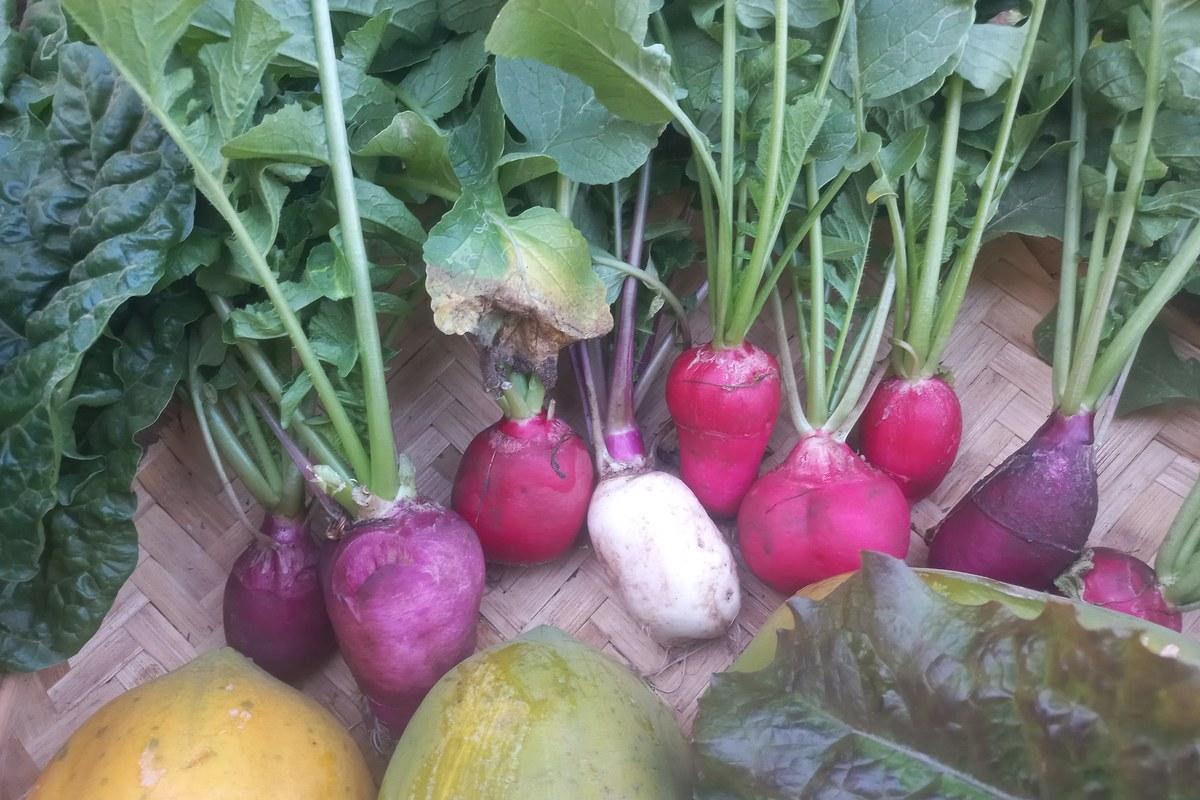
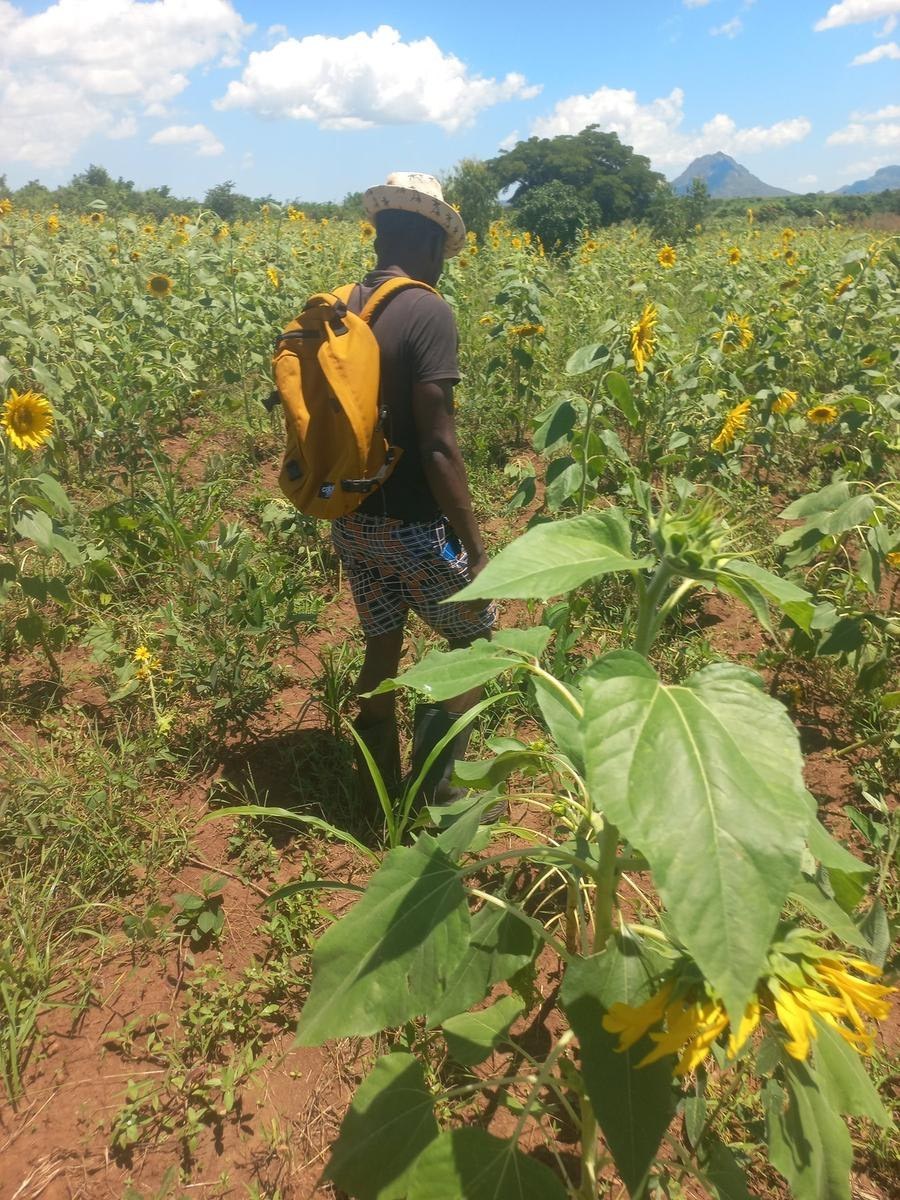
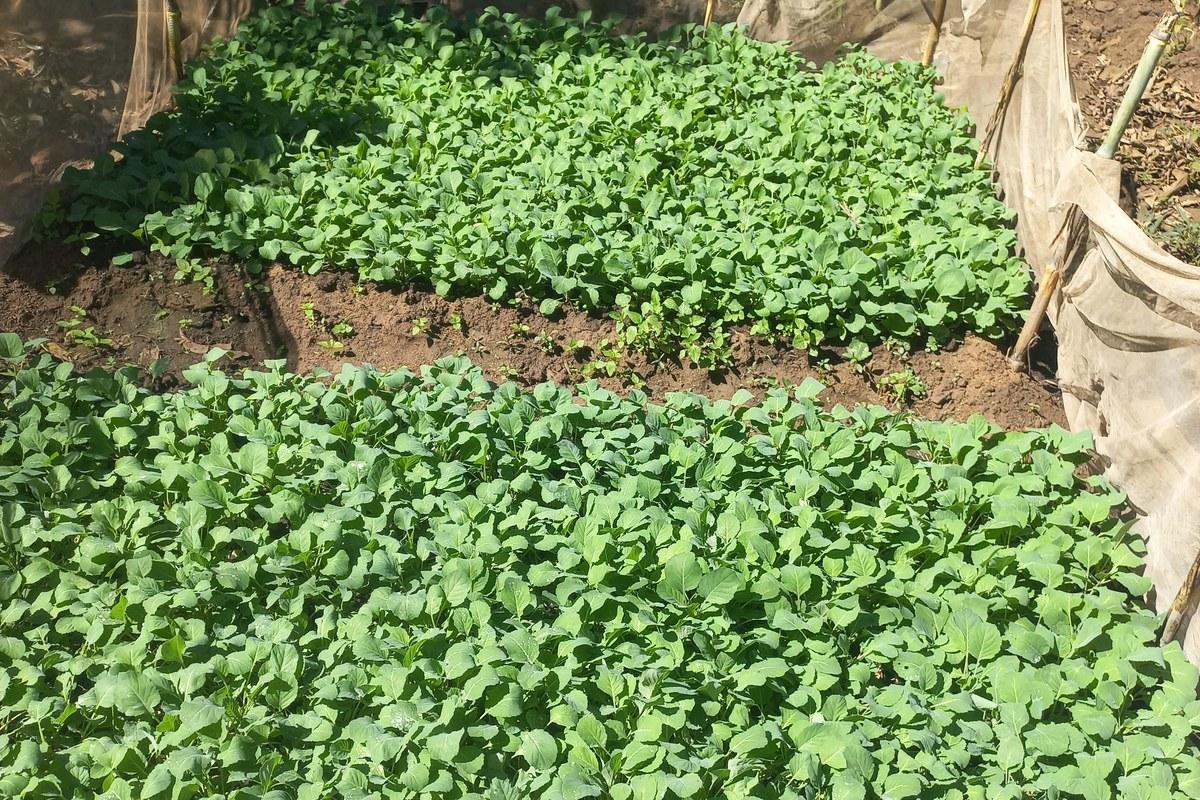
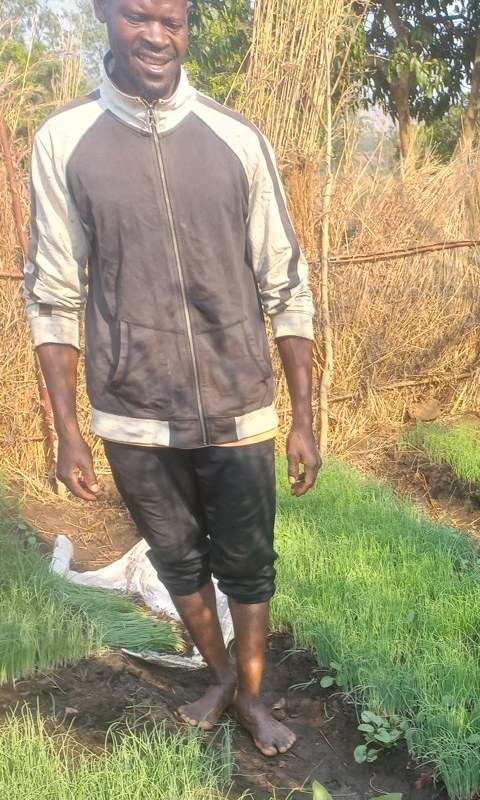
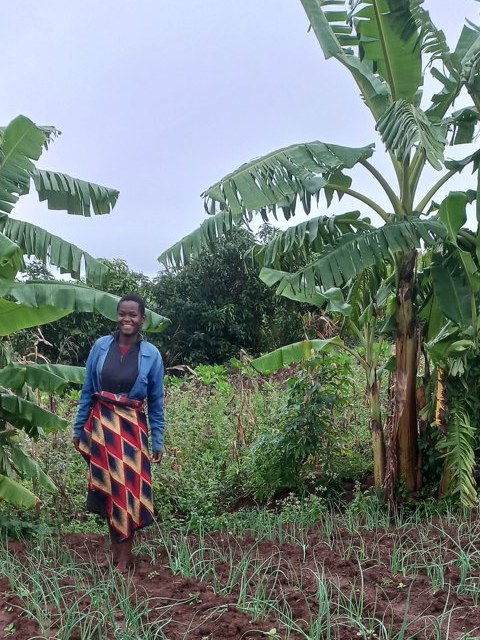
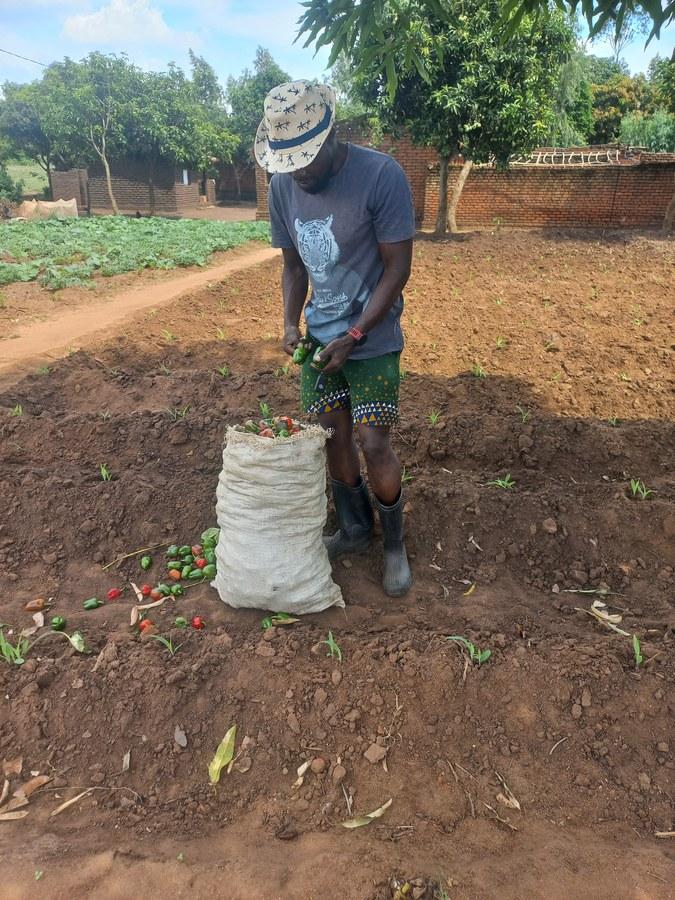
Sunflowers, cabbages, onions, chillies, radishes, bananas, maize — all grown together, rotated, composted back into the same red soil.



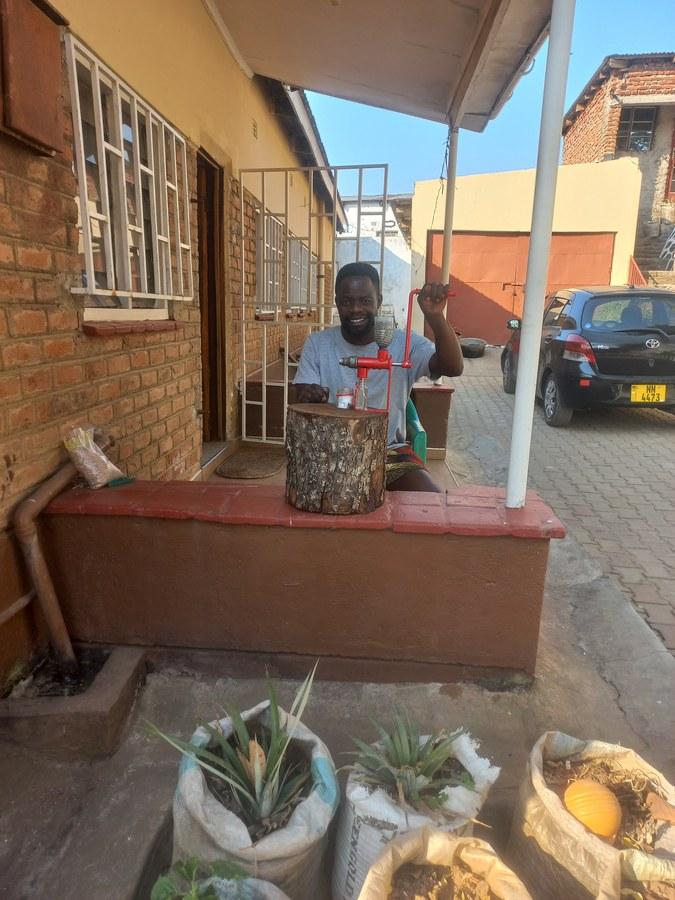
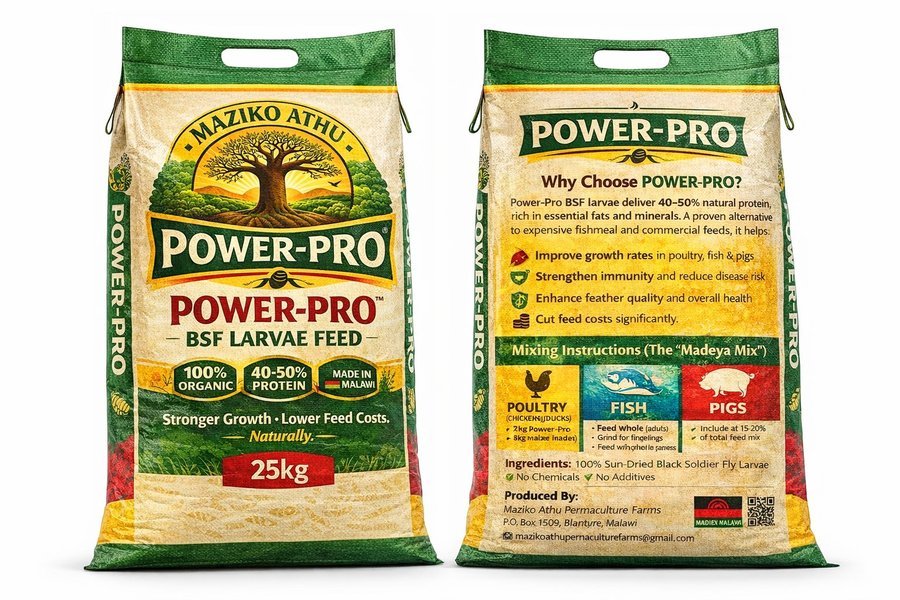
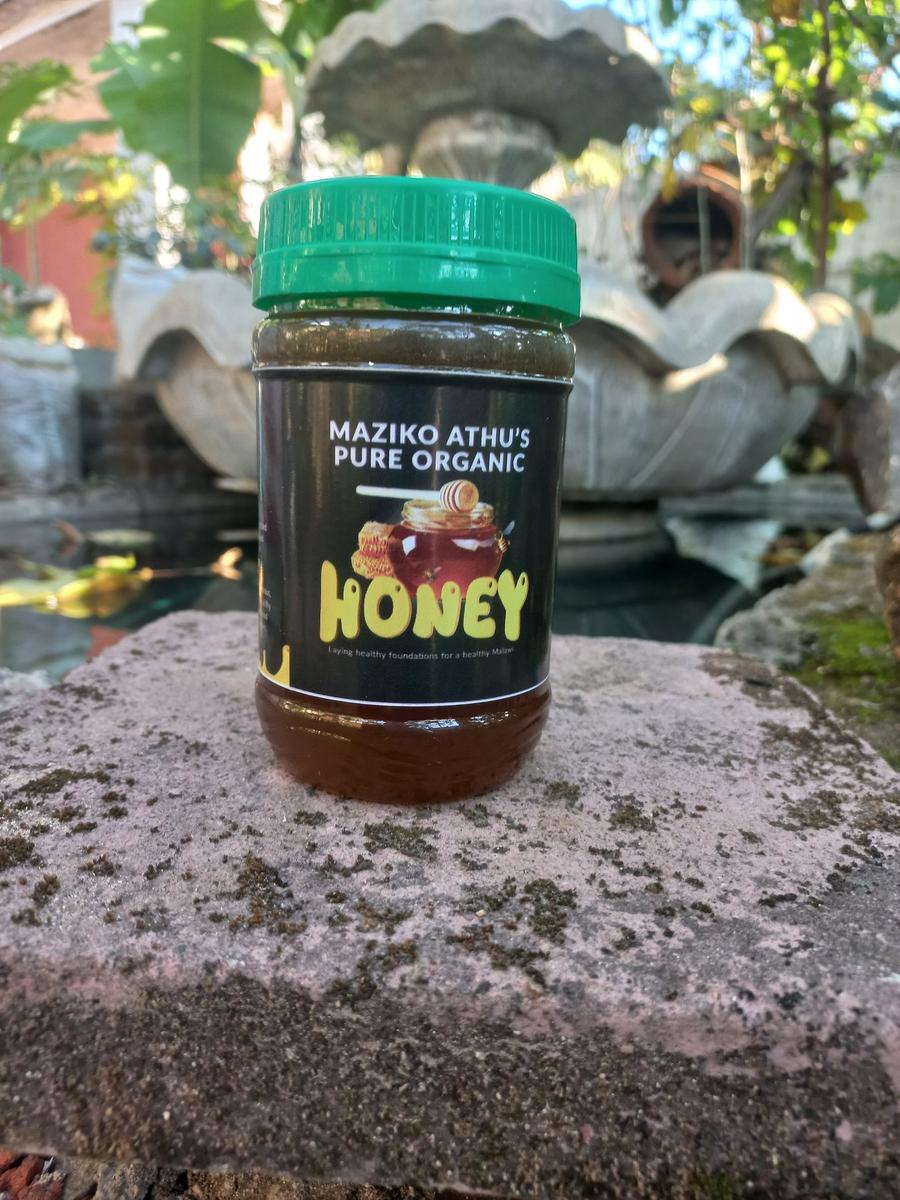
Cold-pressed sunflower oil. Raw unfiltered honey. Organic tofu and soy milk. Farmstead cheese. Black Soldier Fly larvae feed (Power-Pro). Anasoweka’s Phala — a super-porridge flour built on Ben’s mother’s recipe.
Every product is produced, packaged, and distributed from the farm. Nothing is outsourced.
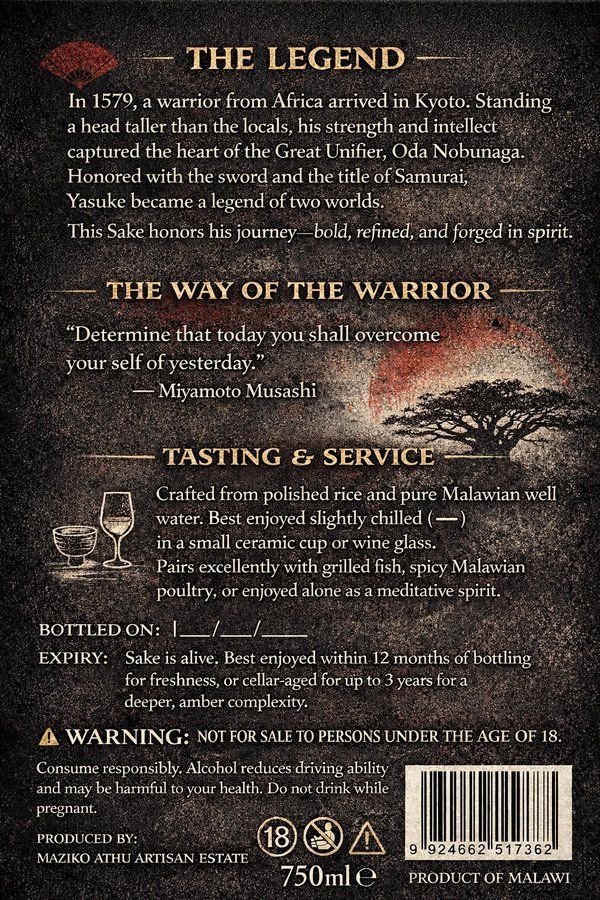
Brewed on the farm using rice grown on-site and traditional fermentation methods adapted to Malawian conditions — one of the first sake producers on the continent.
Named for the legendary African samurai Yasuke, it bridges two traditions: Japanese craft and Malawian soil. Limited production. Large story.
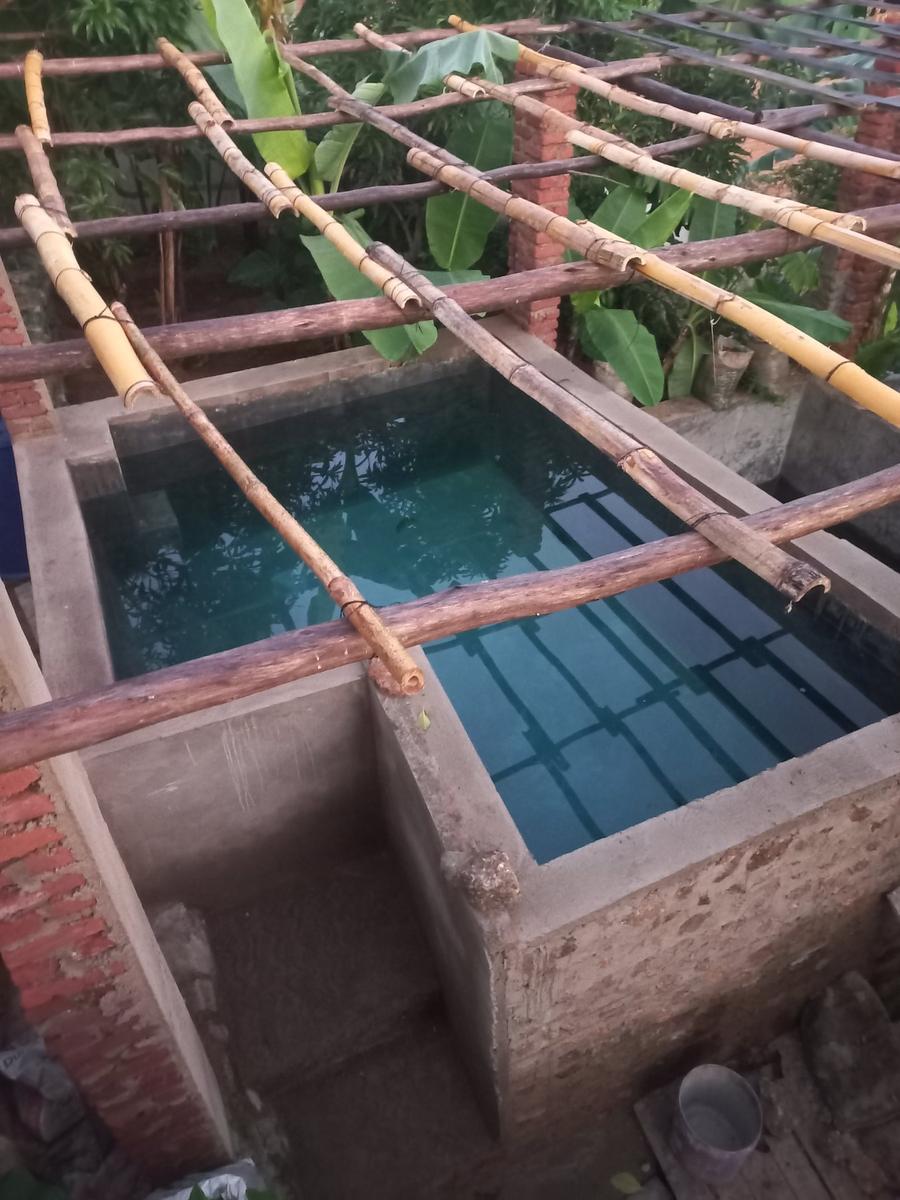
Breeding ponds at Blantyre HQ raise catfish from egg to harvest. All in-house: breeding, fingerling rearing, grow-out. Fish feed is supplemented with BSF larvae produced on the same site, closing the waste-to-protein loop.
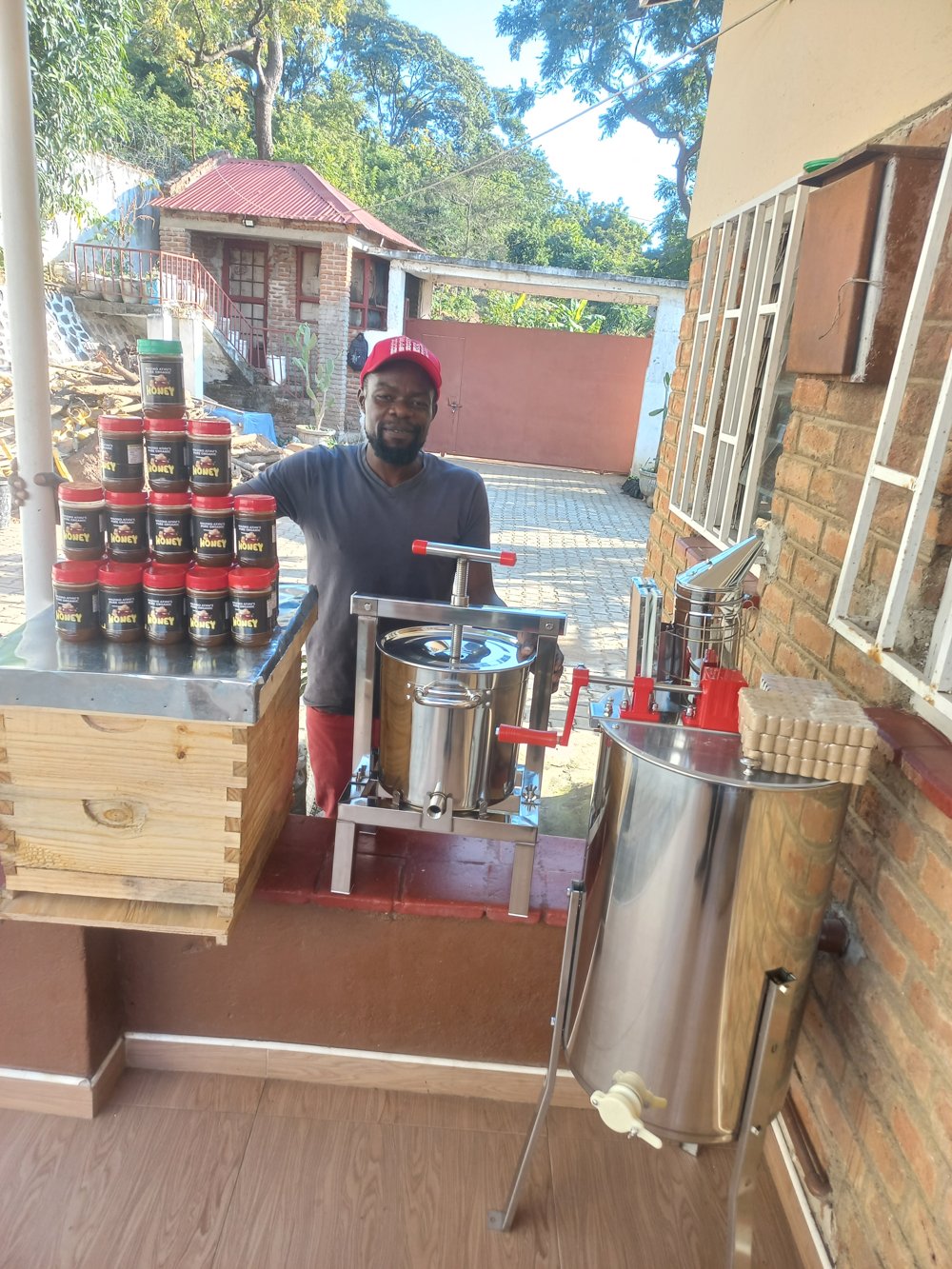
The beekeeper works at midnight in full protective gear. Maziko Athu honey is unfiltered, unheated, harvested without chemicals. The hives sit within the orchards at Thyolo and Mulanje, where extraordinary floral diversity produces a dark, complex honey that reflects the landscape.
Beeswax is processed for cosmetics, candles, and wood polish. Nothing from the hive goes to waste.
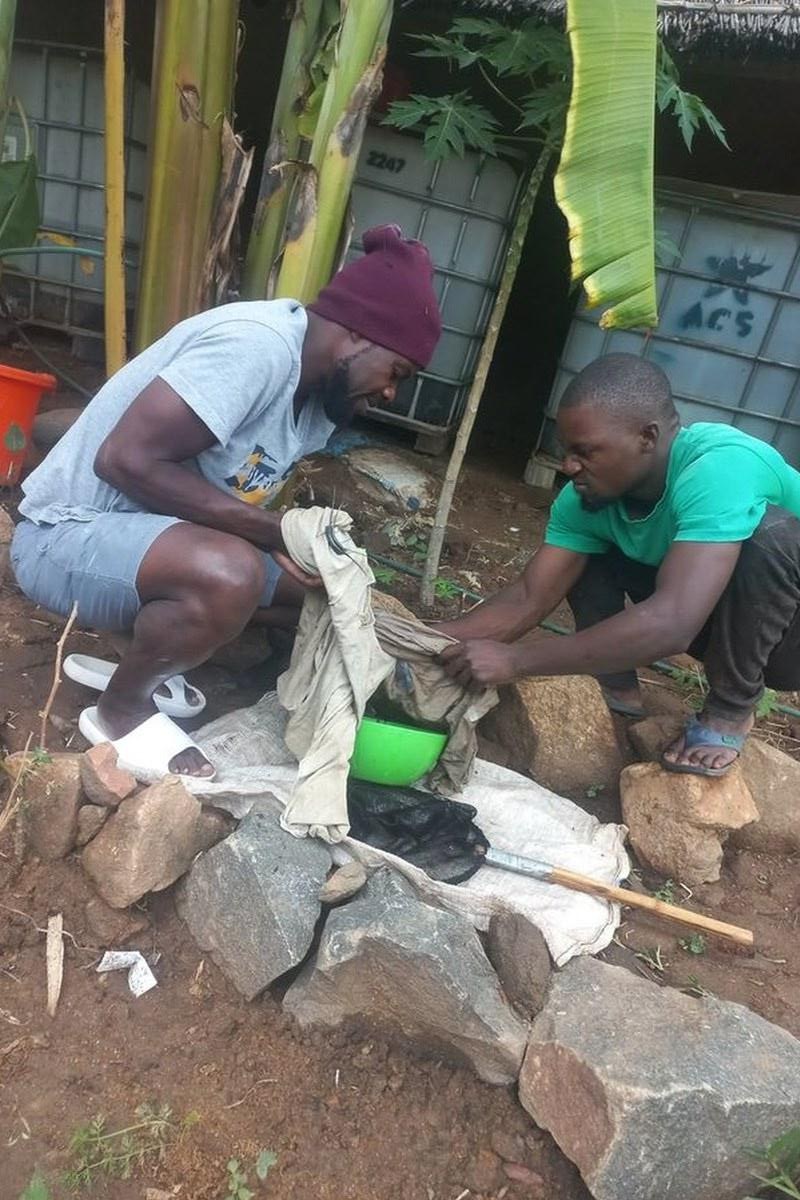
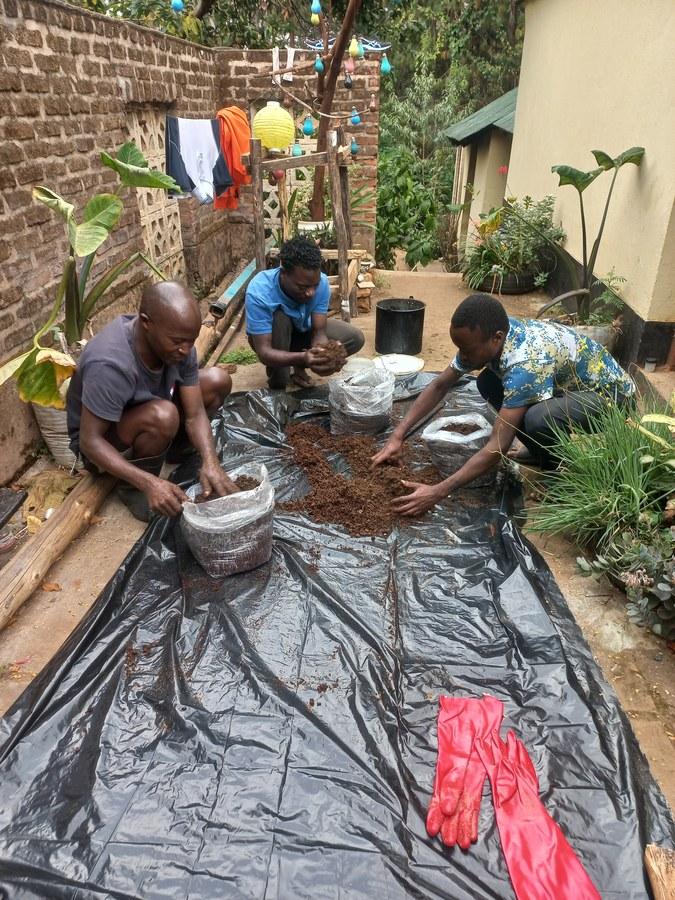
A dedicated spawn lab produces mushroom spawn on-site. Growhouses built from repurposed timber and locally sourced substrate. Substrate preparation is communal — labour-intensive, hands-on, and doubles as training for new farm staff.
More than half of book sales revenue trains smallholder farmers in permaculture and value-addition. Every worker is a potential trainer of the next. The knowledge compounds. The soil improves.


The same hands that write the books dig the trenches, prepare the substrate, and check the hives at midnight. Ben is on the farm most days — not as an owner watching from a distance, but as a working member of the team.
Outside the farm and the books: marathon and ultramarathon runner (Sofia Marathon, Pirin Ultra Skyrunner World Series), triathlete, golfer, chess player, cyclist, backyard astronomer, PADI Open Water diver. He reads obsessively across science fiction, philosophy, and the esoteric tradition. He is building Dark Continent — a fourteen-book Afrofuturist epic — at the same time.
Fifty-plus acres across the Southern Region of Malawi, each plot suited to different crops, products, and purposes.