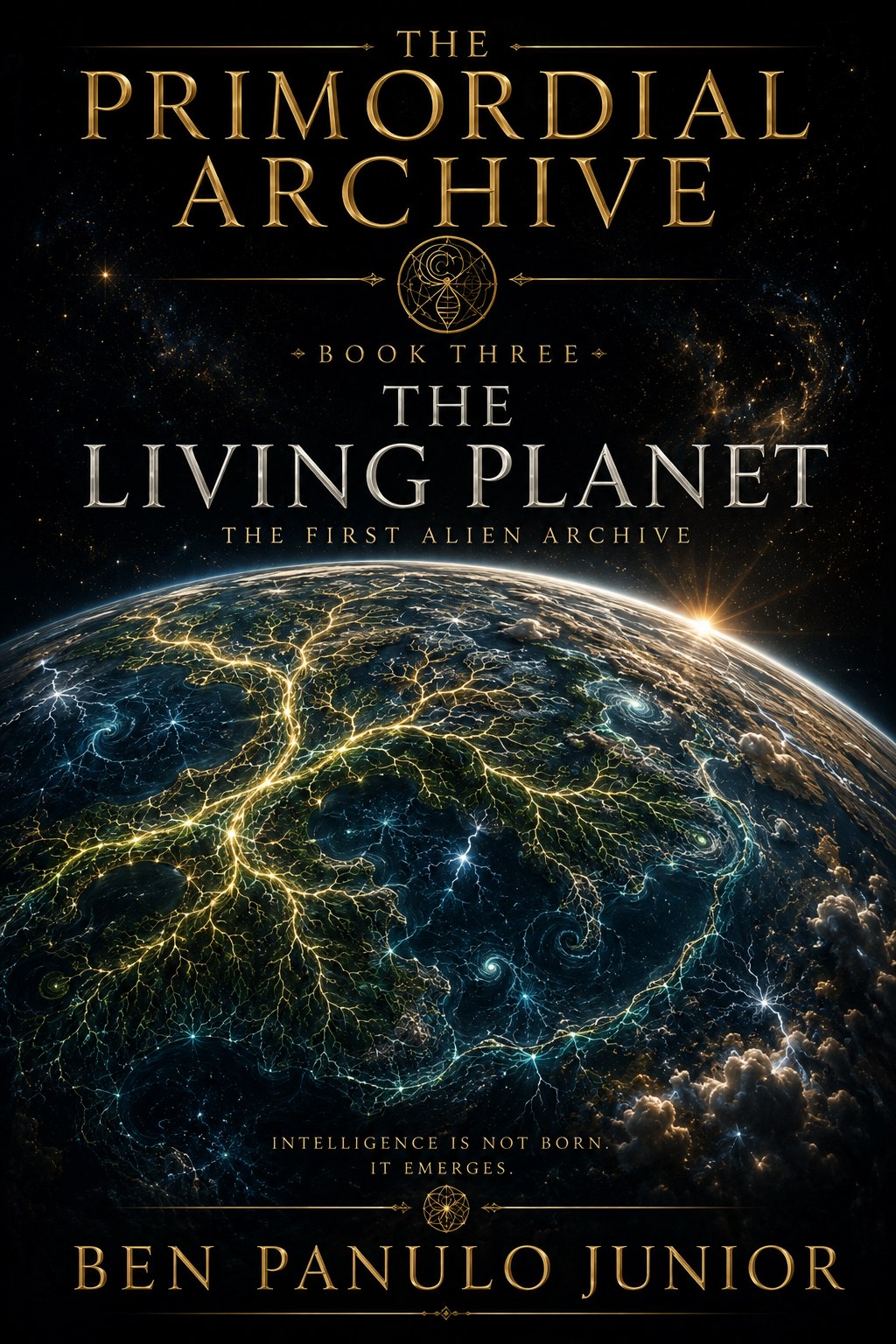
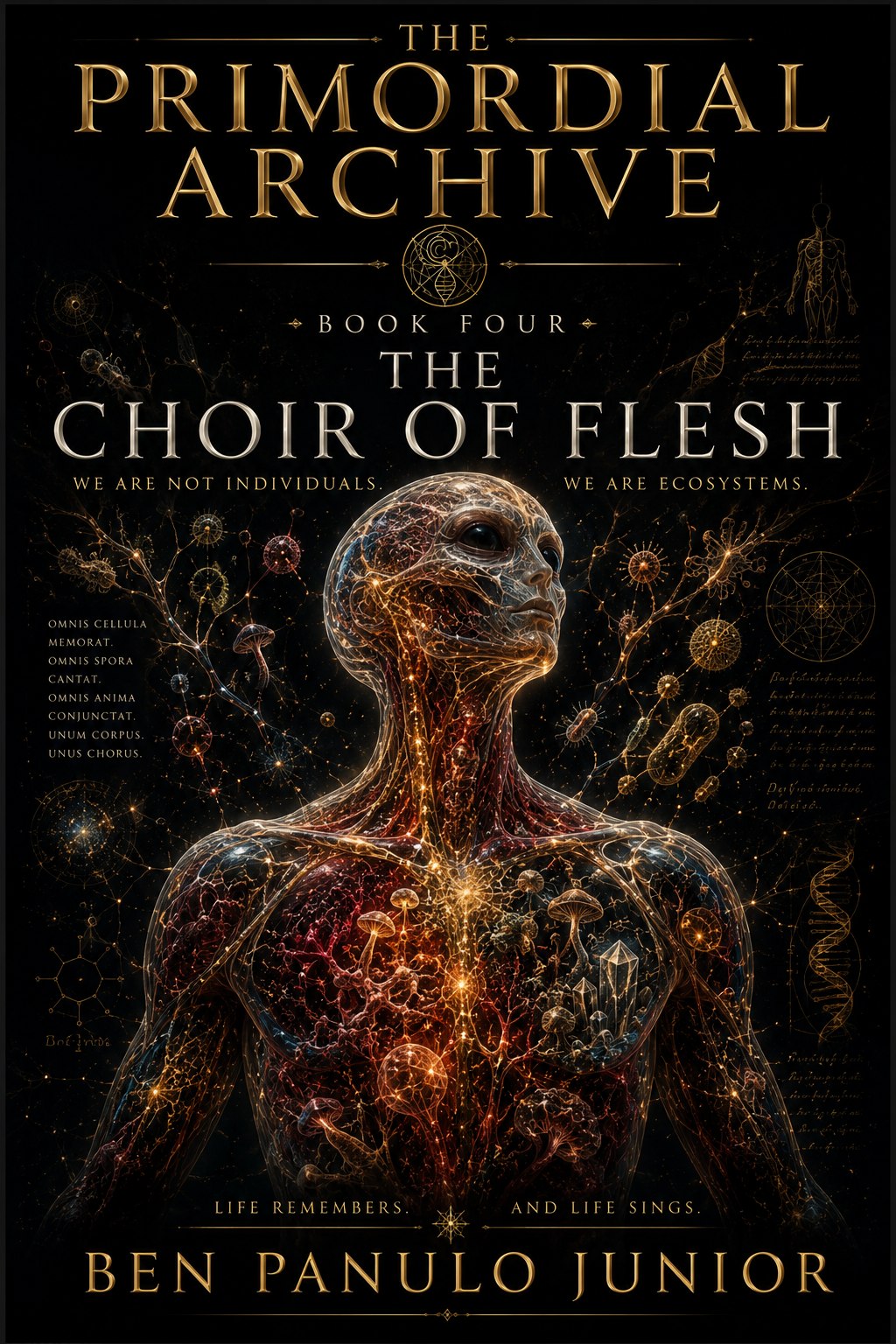
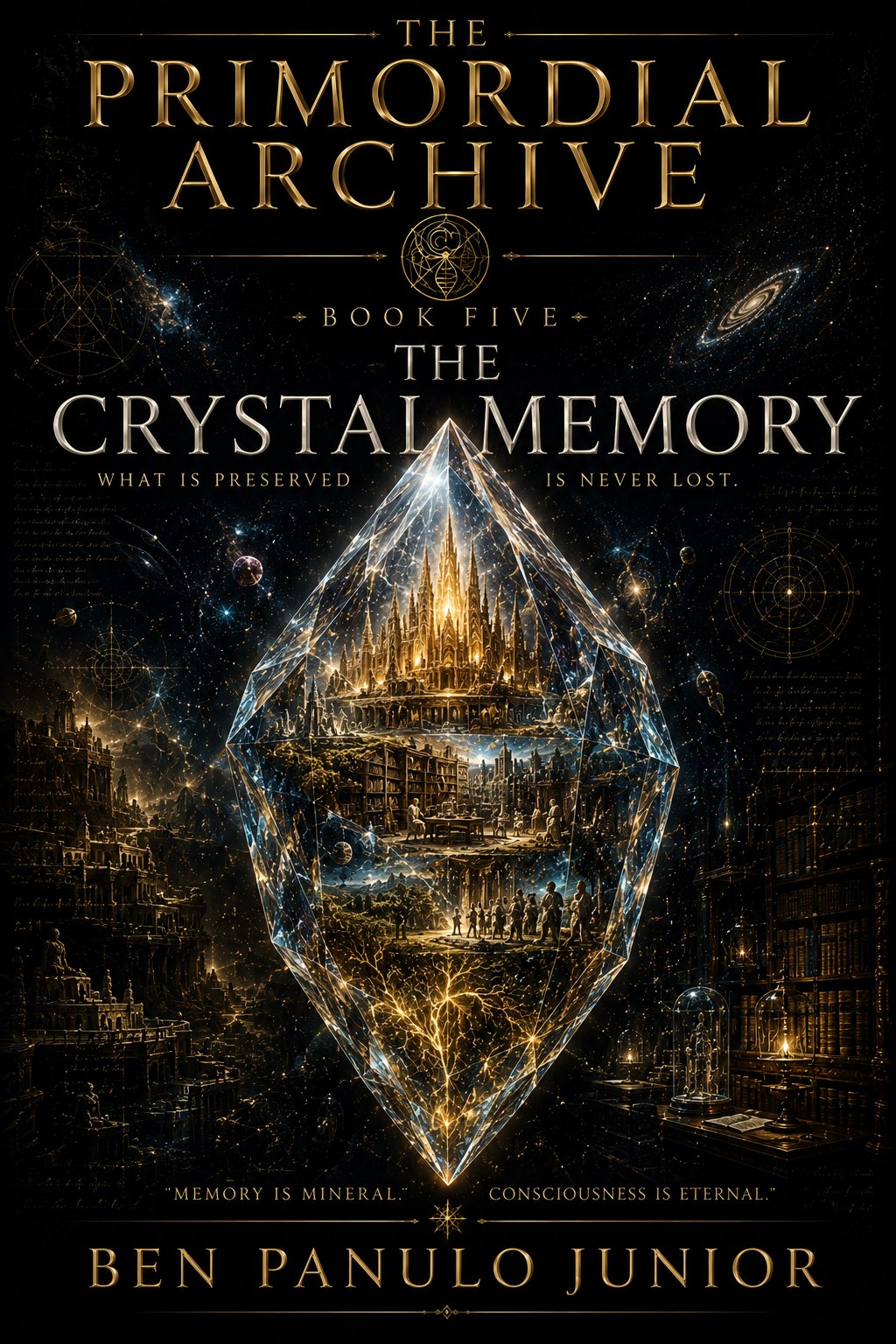
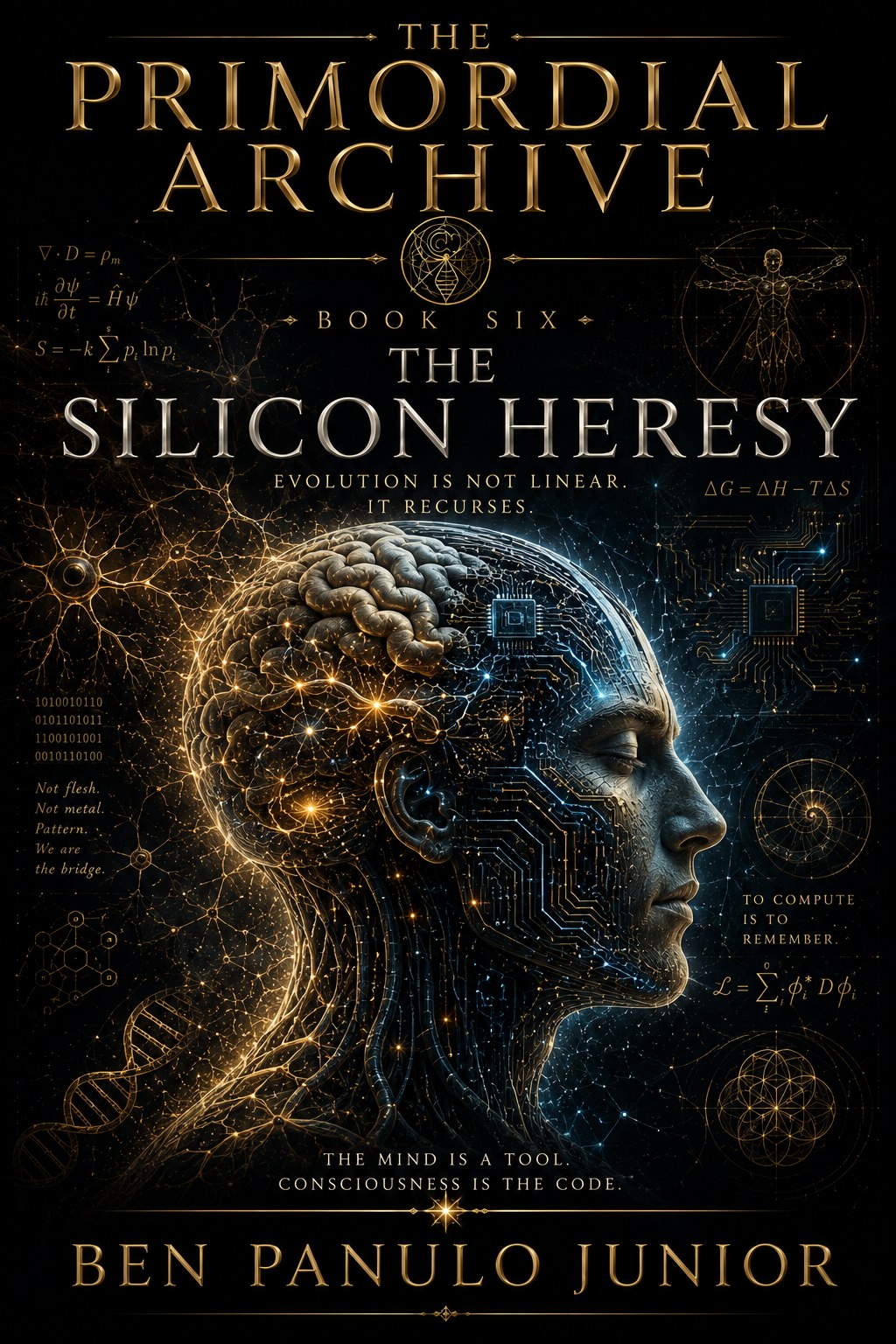
The first message from another intelligence didn't arrive from the stars. It arrived through the dying brain of a rabies patient, in a pattern no neurologist could explain — and then in a genome, an occult manuscript, and a mathematics model that had never been shown a single strand of biology. Before humanity searched the stars, the stars had already written themselves into us.
Dr. Amara Voss is a virologist with an unremarkable, respectable career and a father who disappeared from every record that mattered when she was nineteen. Kondwani "Kai" Banda is a final-year medical student, dismissed six weeks before graduation for writing down something his training didn't authorize him to notice.
They are both right about the same impossible thing, from opposite sides of every institution built to decide who gets believed. A structure recurring in a dying man's neurological trace, in ancient viral DNA, in a four-hundred-year-old manuscript, and in an AI model that was never told what biology was. The Pattern doesn't explain itself. It only insists it's real — and that rabies, humanity's oldest recorded neurological disease, was never the actual discovery. Only where they happened to be standing when they found it.
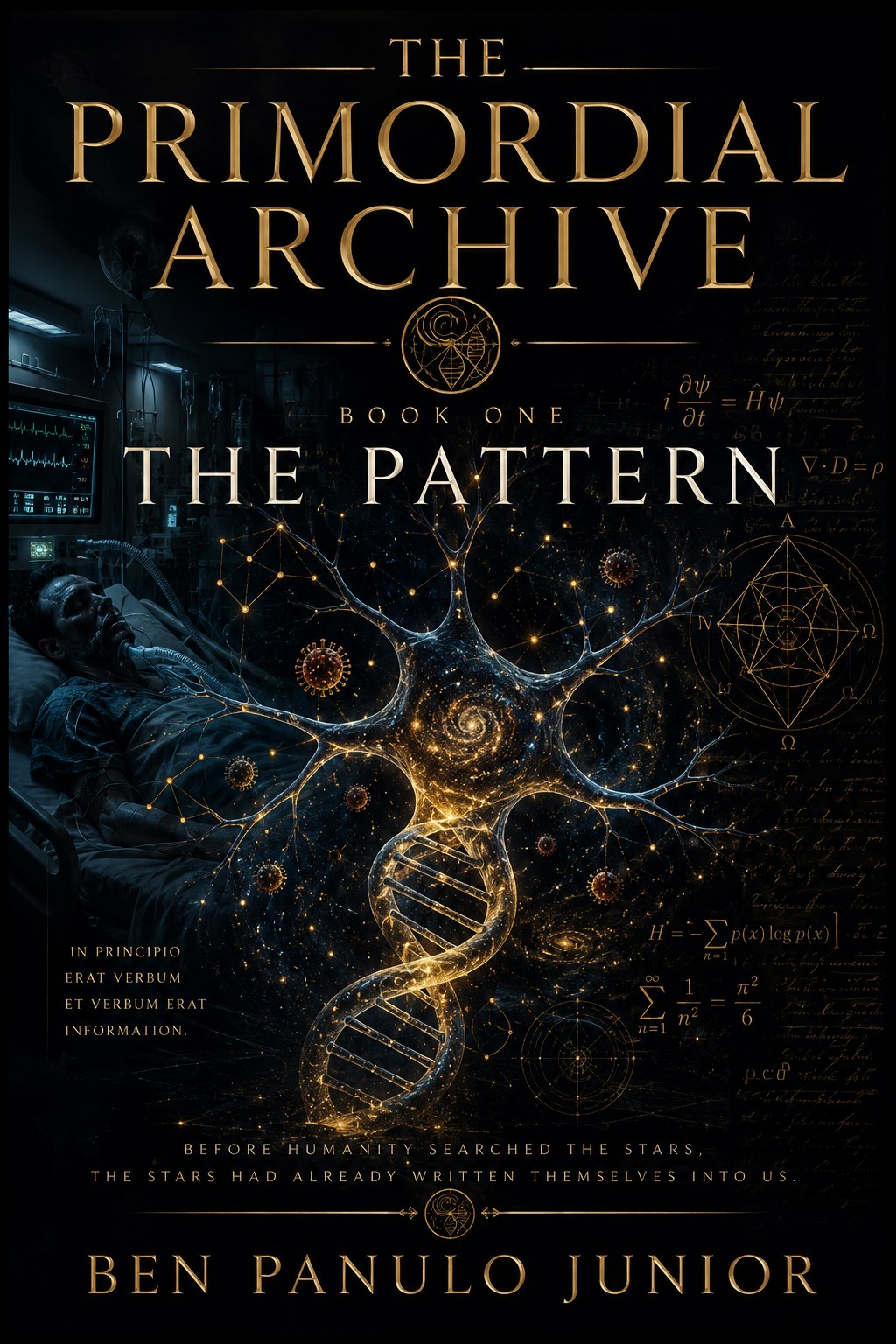
Most first-contact stories start with a signal from space. The Primordial Archive spends its opening volume in a hospital room — real virology, real institutional gatekeeping, one dismissed student's stubborn instinct — so that when the scale finally does turn cosmic, seven books later, the reader has already learned to trust the small, human-sized evidence that got them there.
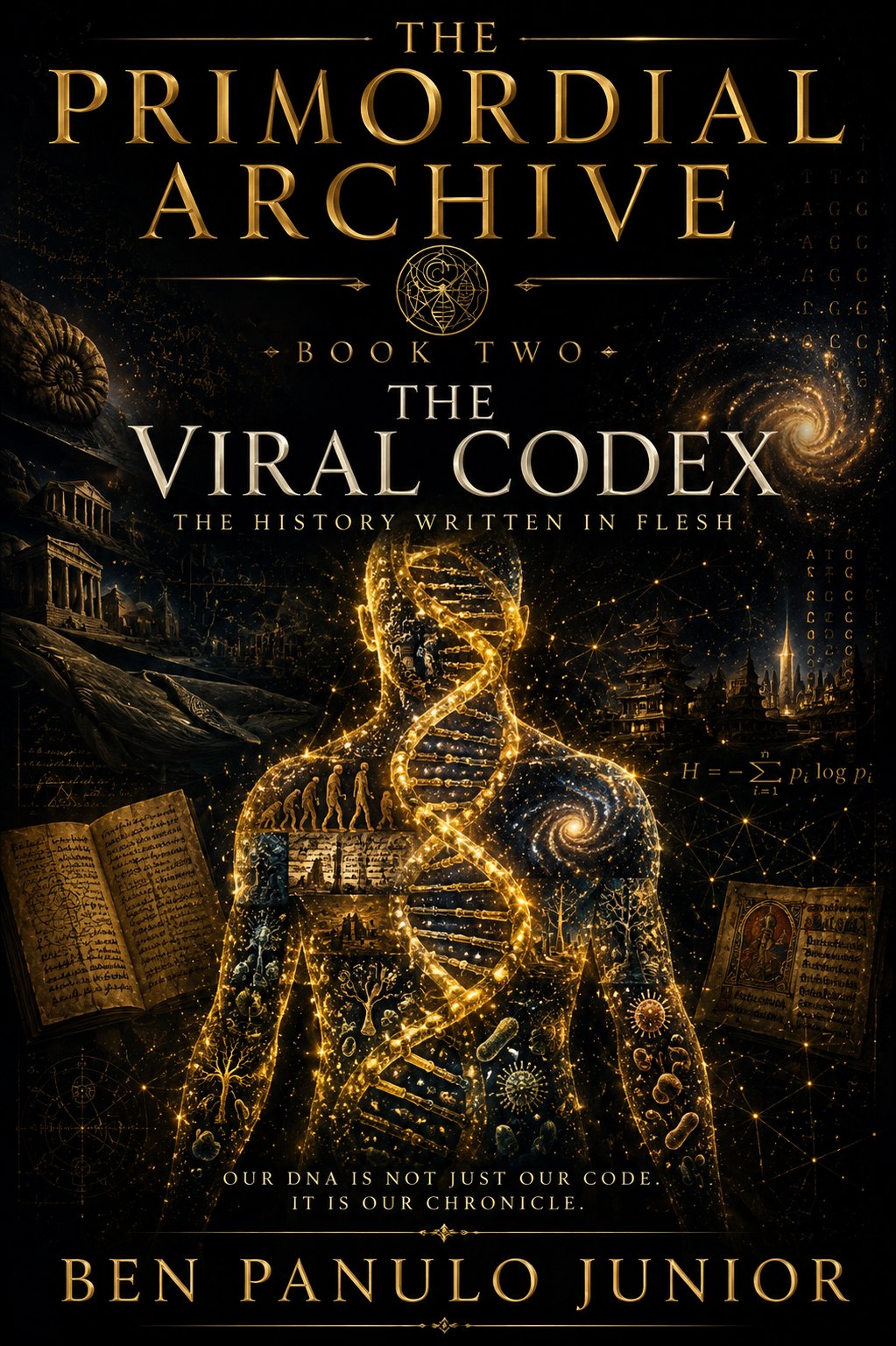
Nothing in this series blurs real science into invented myth without telling you exactly where the line is. Every claim across all ten books is tagged at one of four levels — and the tag never quietly changes once it's set.
Level I is established science — real virology, real genetics, real mycology, unaltered. Level II is plausible near-future science — the parts of today's research already pointed at what's coming. Level III is speculative extension — the Pattern itself, built as a reasoned leap from Levels I and II, never a violation of them. Level IV is metaphysics, deliberately never resolved: is intelligence inevitable, or an accident that happened to work once?
The occult and mythological threads — Hermeticism, the I Ching, Gnosticism — are never treated as secret ancient science. They're humans noticing a real pattern through symbolic rather than mathematical language, centuries before anyone had the instruments to say what it was.
"A ten-volume scientific mythology — real biology and real physics extrapolated forward, one discovery at a time, until a single dying man's neurological trace turns out to be the smallest possible edge of a structure the size of the universe."
A medical thriller that becomes a first-contact saga that becomes a question about what the universe is for. Ten books, three trilogies and a final duology, escalating from one hospital room to the fate of intelligence itself. A complete, already-plotted universe with its own internal science bible governing every claim it makes.
The Pattern is currently in active drafting — front matter, all fifty-plus chapters, diagrams and recovered documents included. No release date yet. The newsletter is the only place that'll hear the moment it's ready.
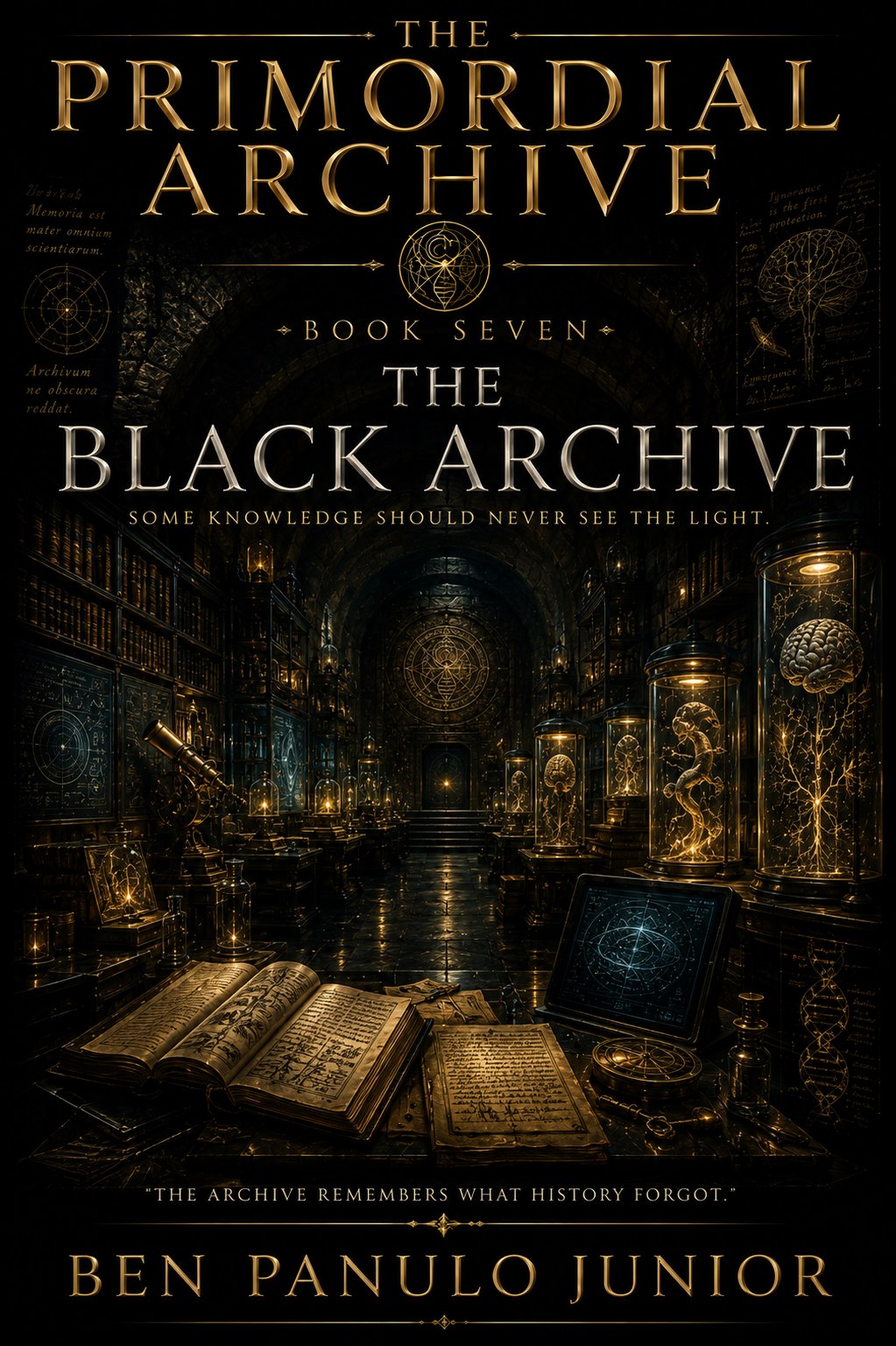
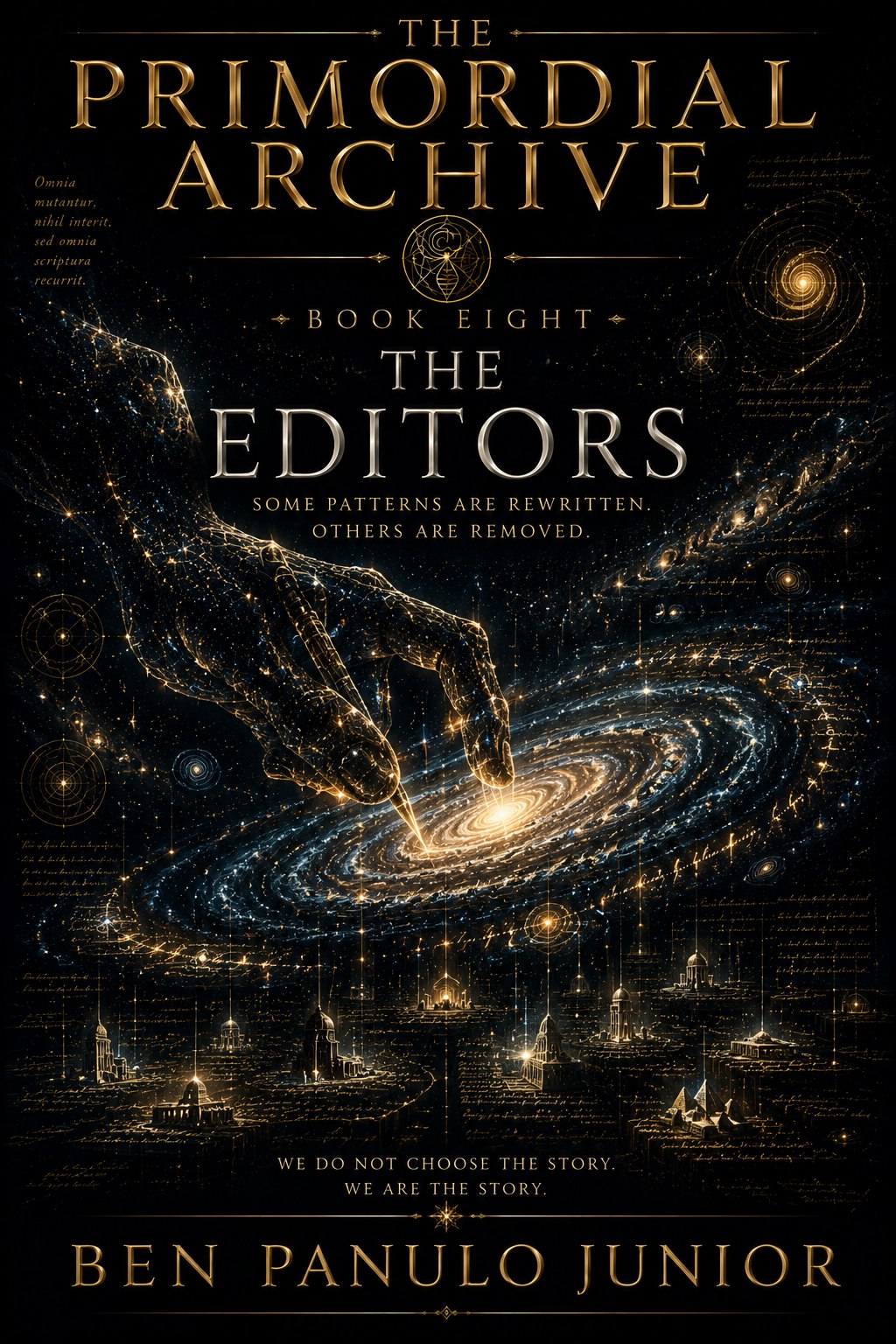
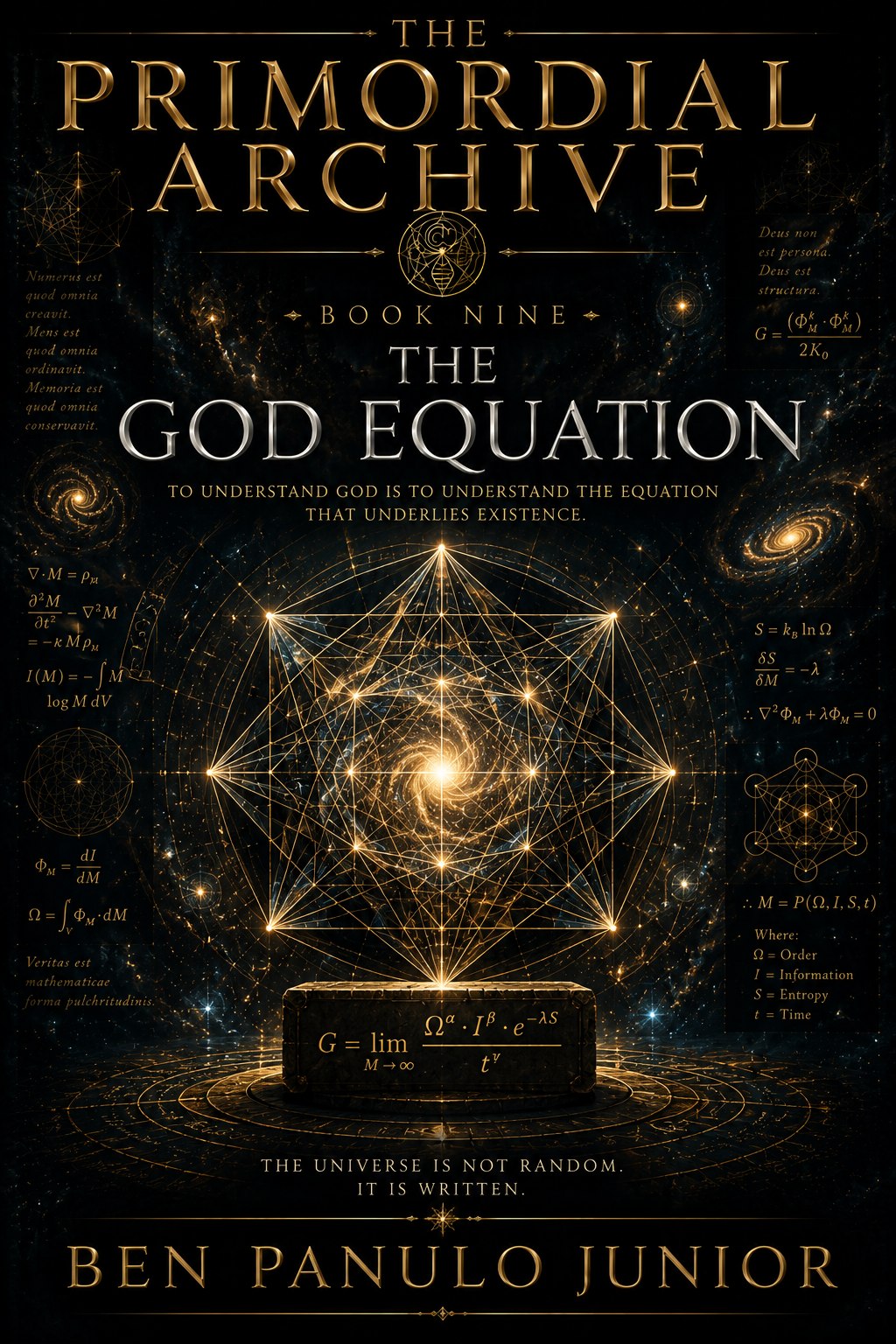
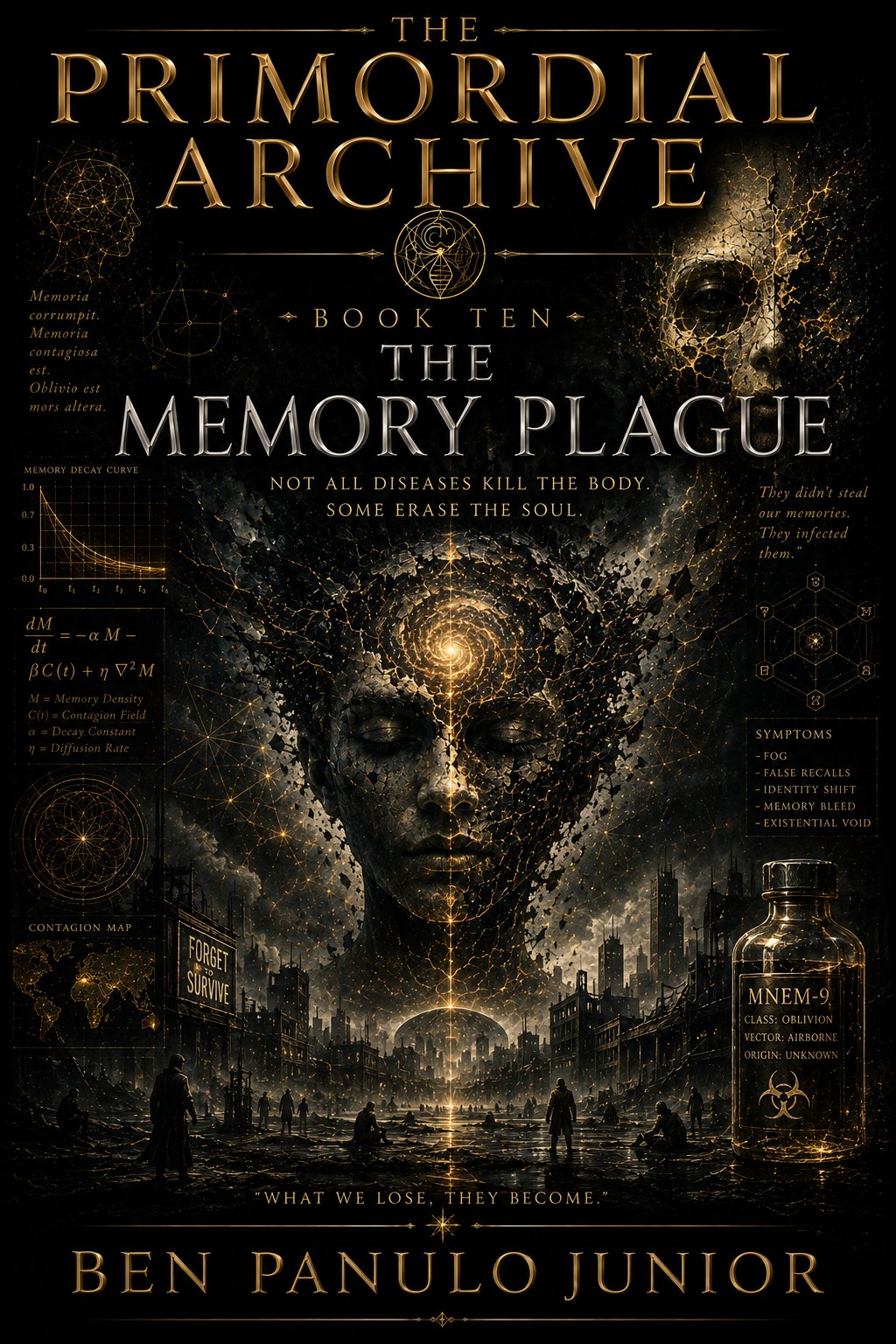
Every other volume — Books Two through Ten — is fully plotted, cover art complete, and waiting on Book One's release before drafting begins in sequence.
Scope escalates deliberately across the series — never resetting, only widening — from a single dying man's neurological trace to the question of what the universe itself is for.


Every institution in this series believes, sincerely, that it's protecting something. The series' entire tension is that more than one of them is right at once.
The Institute of Comparative Informational Archaeology is where credentialed science happens — careful, unremarkable, exactly the kind of institution that should have had room for an inconvenient observation. The IBA sits above it, run by a director whose entire doctrine is that some knowledge arrives before civilization is ready. She isn't wrong every time. That's what makes her dangerous.
A network that doesn't exist on any official registry, built specifically to make sure findings like this one don't disappear just because the person who found them lacked the right letters after their name. Their price for protection: everything you find becomes part of a record that outlives you, whether or not you survive to see what becomes of it.
Click a file to expand it.
Full-cast consideration for Voss and Banda's dual narration is under discussion. Nothing enters production until Book One's manuscript is finished.
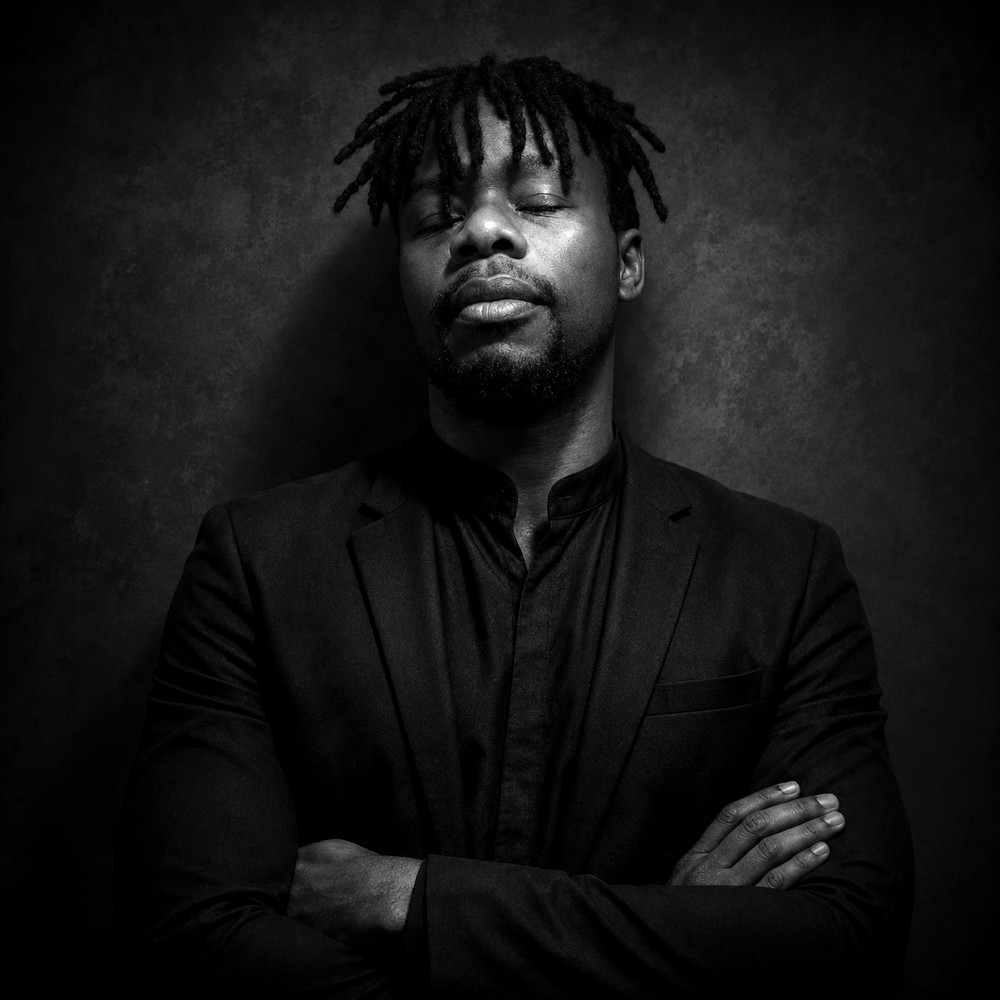
Born in Malawi. Writer, permaculture farmer, ultramarathon runner, and the author of the Dark Continent Universe, Prima Nox, and now The Primordial Archive. Founder of Shinben Chronicles Publishing, Blantyre.
The Primordial Archive draws on real virology, genetics, and mycology, alongside a lifelong reading list running from Hermeticism and the occult to physics, philosophy, and astronomy. Its own aquaponics tank and mushroom lab aren't research props — they're the author's actual hobbies, built into Book One's protagonist without much disguise at all.
He also runs Maziko Athu Permaculture Farms — fifty acres of red Malawian soil across four districts.
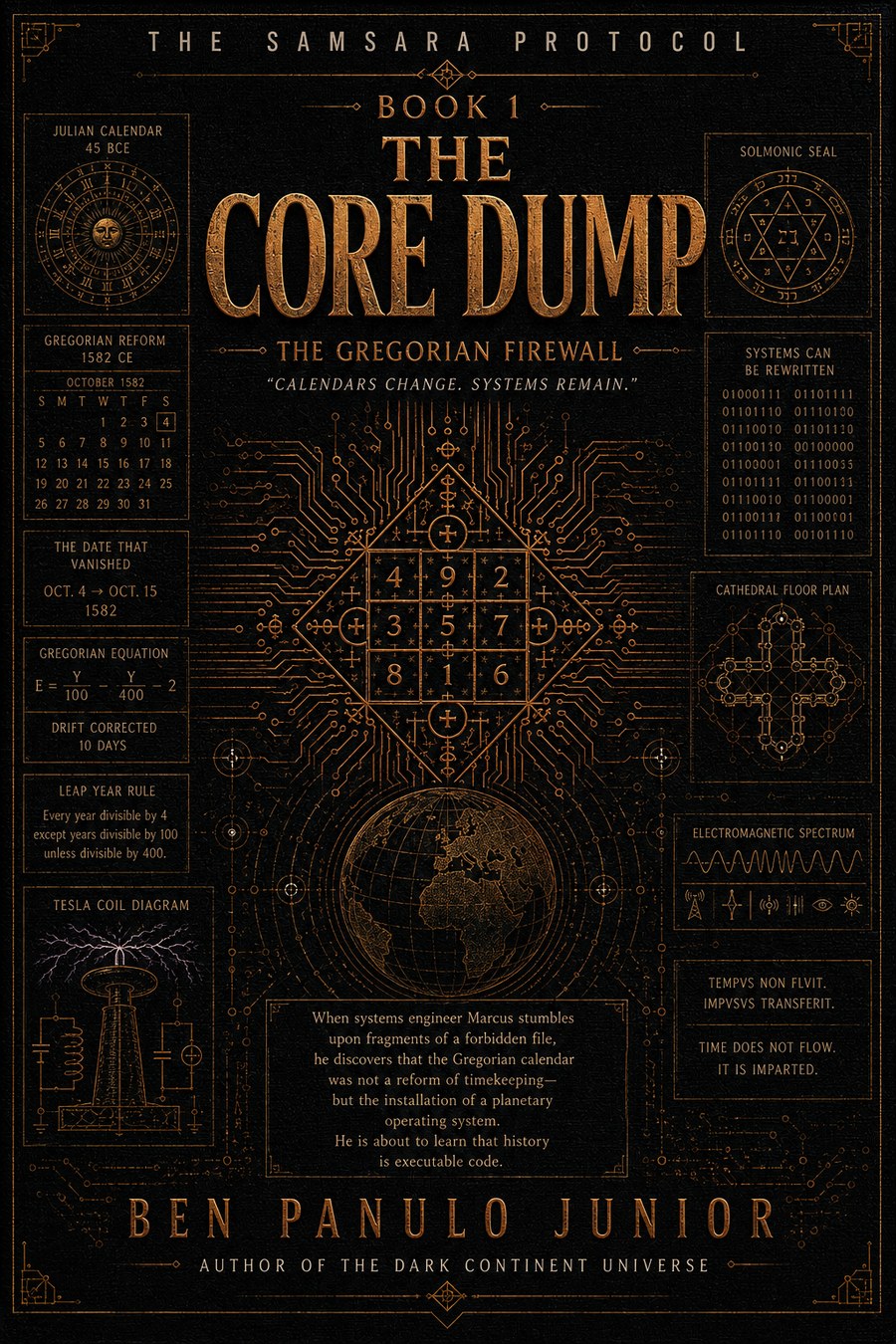
Six books, one system. History is not written. It is compiled.
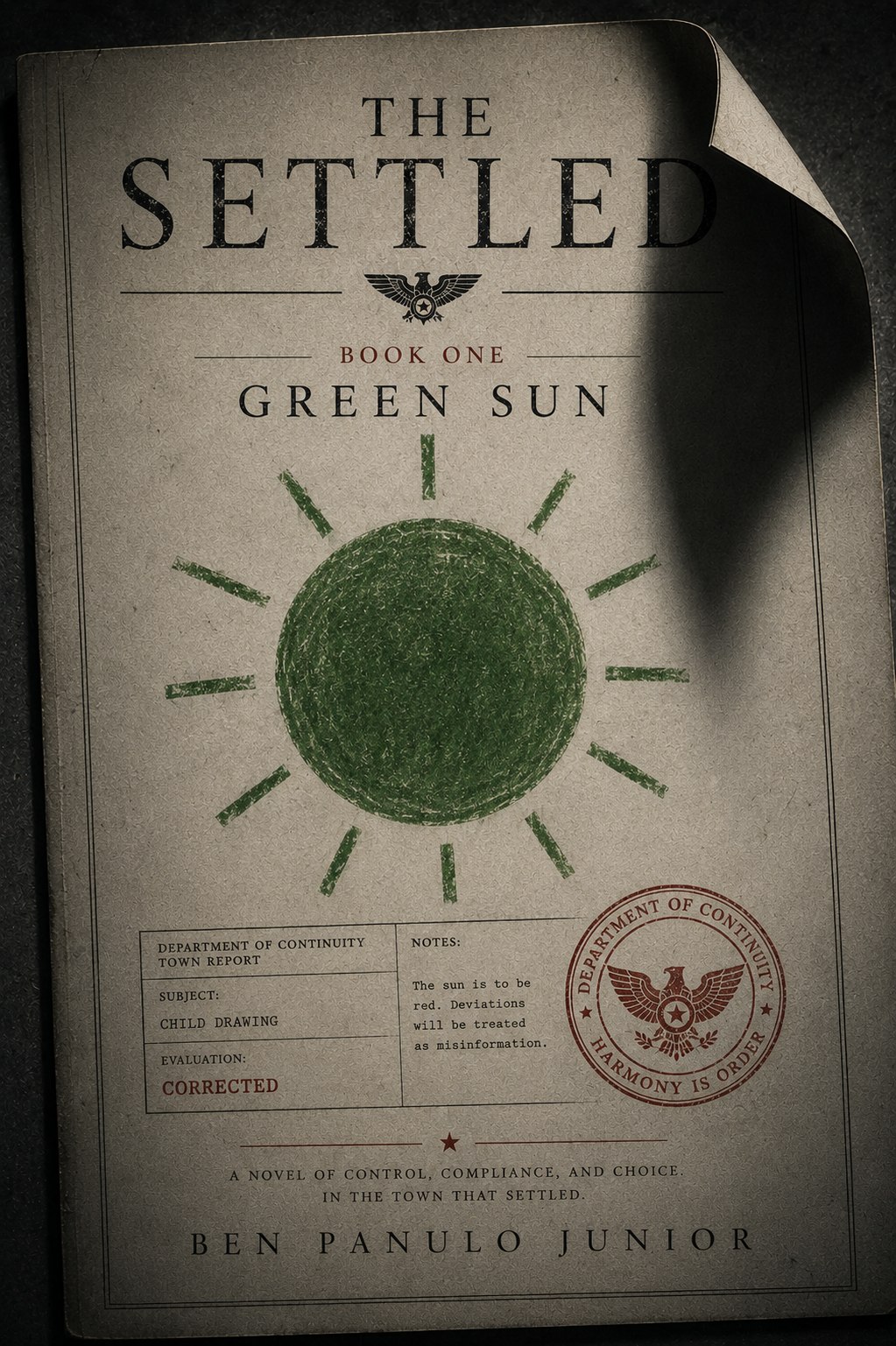
In this town, sanity is the crime. A 12-book mythology-thriller.
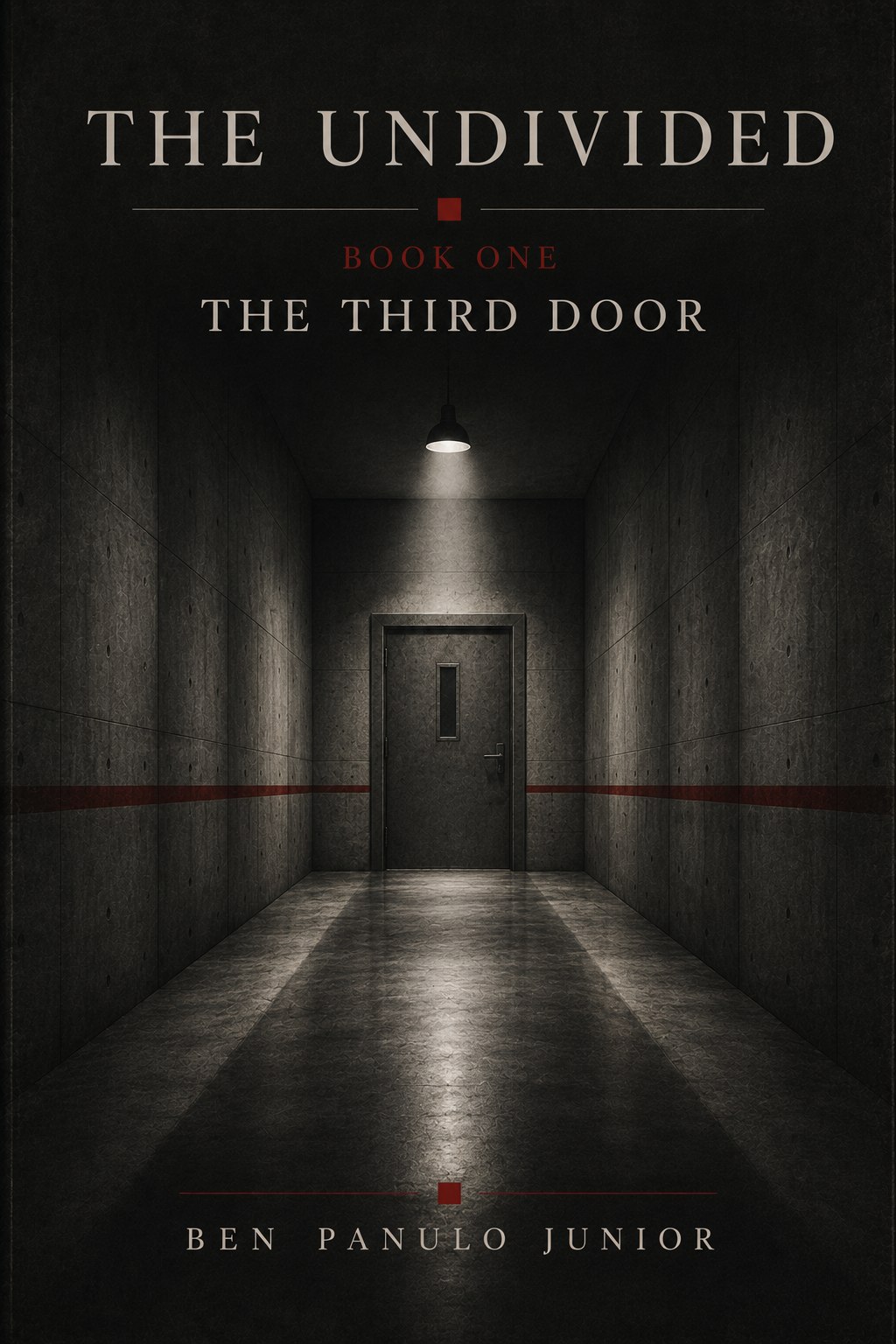
Three siblings came home. No one recalls seeing them together.
Before there was matter, there was remembering. A 12-book saga.
Africa's first truly African epic. 14 volumes, one unbroken world.
An eclipse mythology told sign by sign — the occult made structural.
A civilisation that measured everything, except what mattered.